Unlocking Business Potential with AI Automation for Seamless Operations
Discover how AI automation can elevate your business operations and boost efficiency. Learn more about seamless implementation today!
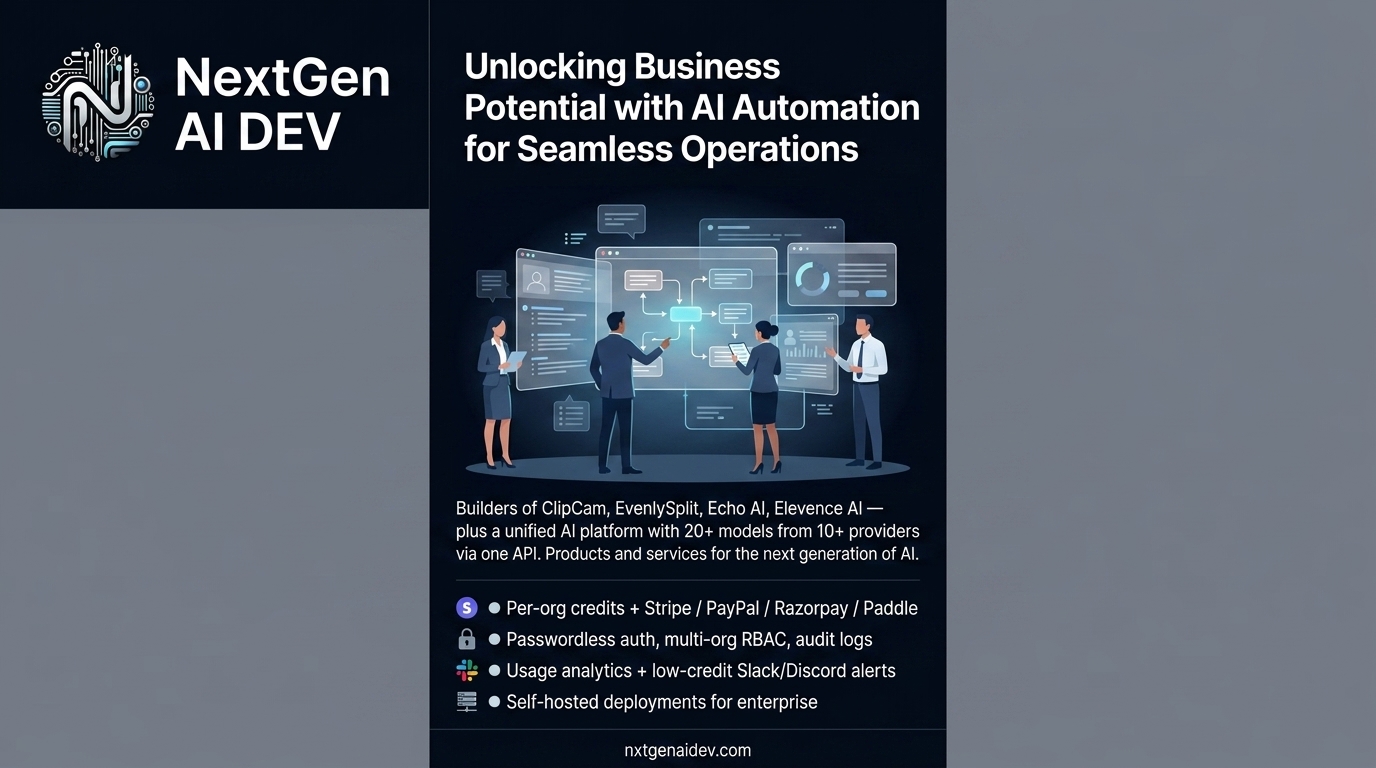
Unlocking Business Potential with AI Automation for Seamless Operations
AI automation isn’t just a trend—it’s a transformative force reshaping business landscapes. As we dive into this technology, you’ll discover how it can revolutionize operations, driving efficiency and innovation.
Understanding AI Automation
What is AI Automation?
AI automation refers to the use of artificial intelligence technologies to streamline and enhance business processes. By integrating AI into operations, companies can reduce manual tasks, improve accuracy, and respond swiftly to changing market demands. Its significance in today's business landscape cannot be overstated; organizations leveraging AI automation are often more agile, competitive, and equipped to tackle complex challenges.
Key Components of AI Automation
The backbone of AI automation includes several core elements:
Machine Learning (ML): This enables systems to learn from data, improving performance without human intervention. Businesses can utilize ML for predictive analytics, which helps in making informed decisions based on data trends.
Robotic Process Automation (RPA): RPA automates repetitive tasks such as data entry and processing, freeing up valuable human resources for more strategic initiatives.
Intelligent Document Processing (IDP): This technology automates the extraction and processing of data from documents, leading to more streamlined workflows.
Together, these components form a robust framework that propels businesses into the future.
Benefits of Implementing AI Automation
Enhancing Customer Support
Implementing AI automation can drastically improve customer support by enabling quick, accurate responses. For instance, chatbots can handle multiple inquiries simultaneously, ensuring that customer issues are addressed promptly. This level of responsiveness not only satisfies customers but fosters a sense of loyalty.
Increasing Efficiency
Statistics reveal that organizations embracing AI automation see remarkable efficiency gains. According to recent studies, companies can achieve up to a 30% reduction in operational costs through the deployment of automated systems. This resource-saving aspect enables organizations to reallocate funds and focus on growth-driven projects.
Driving Innovation
AI isn't merely a tool for efficiency; it also catalyzes innovation. By automating mundane tasks, teams are freed to brainstorm and implement creative solutions that can push their strategies forward. Businesses that harness the power of AI automation often find themselves at the forefront of their industries.
Challenges in Implementing AI Automation
Common Barriers
While the benefits are compelling, several common barriers can hinder the successful implementation of AI automation. Initial costs can be significant, and workforce adaptation is crucial as employees may need to reskill. Additionally, technological limitations can pose obstacles, especially for organizations lacking robust IT infrastructures.
Ethical Considerations
As with any technology, ethical implications must be considered when implementing AI. Issues such as data privacy and algorithmic bias raise concerns that need to be addressed proactively to ensure responsible AI use. Organizations must establish guidelines that align AI practices with ethical standards.
Integration Issues
Integrating AI systems with existing processes can present challenges. Companies often encounter difficulties aligning new technologies with legacy systems. A well-planned strategy for integration is essential to minimize disruption and maximize benefits.
Real-world Applications of AI Automation
Case Studies Across Industries
Numerous case studies highlight the successful application of AI automation across various industries. For example, in finance, institutions utilize AI for fraud detection, speeding up their compliance and risk management processes. In retail, businesses employ AI to forecast demand, optimize inventory management, and enhance customer experiences through personalization.
Success Stories from Mid-sized Businesses
Mid-sized businesses have unique benefits and challenges in adopting AI automation. Companies in this sector can be nimbler than larger corporations, allowing for quicker implementation of automated solutions. However, they may also face resource constraints. Nevertheless, many mid-sized businesses report improved operational performance and enhanced customer engagement after adopting AI tools.
Future Trends in AI Automation
Hyperautomation
As we look ahead, hyperautomation is emerging as a key trend in AI automation. This approach combines multiple automation tools, including AI and RPA, to automate complex processes and workflows across the organization. Hyperautomation will further drive efficiency and innovation in business operations.
Low-code/No-code Platforms
Another exciting development is the rise of low-code and no-code platforms, which democratize automation. These tools allow users without extensive coding knowledge to create and manage automated workflows, enabling broader participation in AI initiatives across all business departments. This trend opens up opportunities for innovation and agility in operations.
Conversational AI
Conversational AI continues to transform customer engagement. This technology enables businesses to interact with customers in a more personalized manner through chatbots and virtual assistants, leading to enhanced customer satisfaction and loyalty. Companies that leverage conversational AI often enjoy deeper customer insights and stronger relationships.
Conclusion
AI automation represents a transformative powerhouse for businesses, unlocking potential and driving operational excellence. By understanding its components, benefits, challenges, and future trends, organizations can better navigate this dynamic landscape. Are you ready to unlock your business potential? Start your AI automation journey today!