
The Future of Automation in Supply Chain Management: Trends & Benefits
Discover how automation in supply chain can enhance efficiency and cut costs. Learn more to transform your logistics today!
The Future of Automation in Supply Chain Management: Trends & Benefits
Supply chain management is evolving, and at the core of this evolution is automation. As businesses seek to optimize their operations, understanding the future of automation in supply chain management is key. This post will explore its definition, benefits, current trends, challenges, and real-world applications, leading to a deeper understanding of how automation can positively impact your organization's supply chain strategy.
What is Automation in Supply Chain Management?
Defining Supply Chain Automation
Supply chain automation refers to the use of technology to streamline and enhance processes within the supply chain. This approach aims to minimize human intervention, thereby increasing efficiency, reducing errors, and ultimately lowering operational costs. The objectives of automation in the supply chain are clear: promote faster delivery, improve service levels, and enhance overall productivity.
Key Components of Automation
The backbone of supply chain automation consists of several key components. These include:
Artificial Intelligence (AI): AI facilitates data-driven decision-making, optimizing processes by predicting trends and managing inventory levels effectively.
Internet of Things (IoT): IoT devices enhance connectivity within the supply chain, allowing for real-time monitoring and data collection crucial for informed operational decisions.
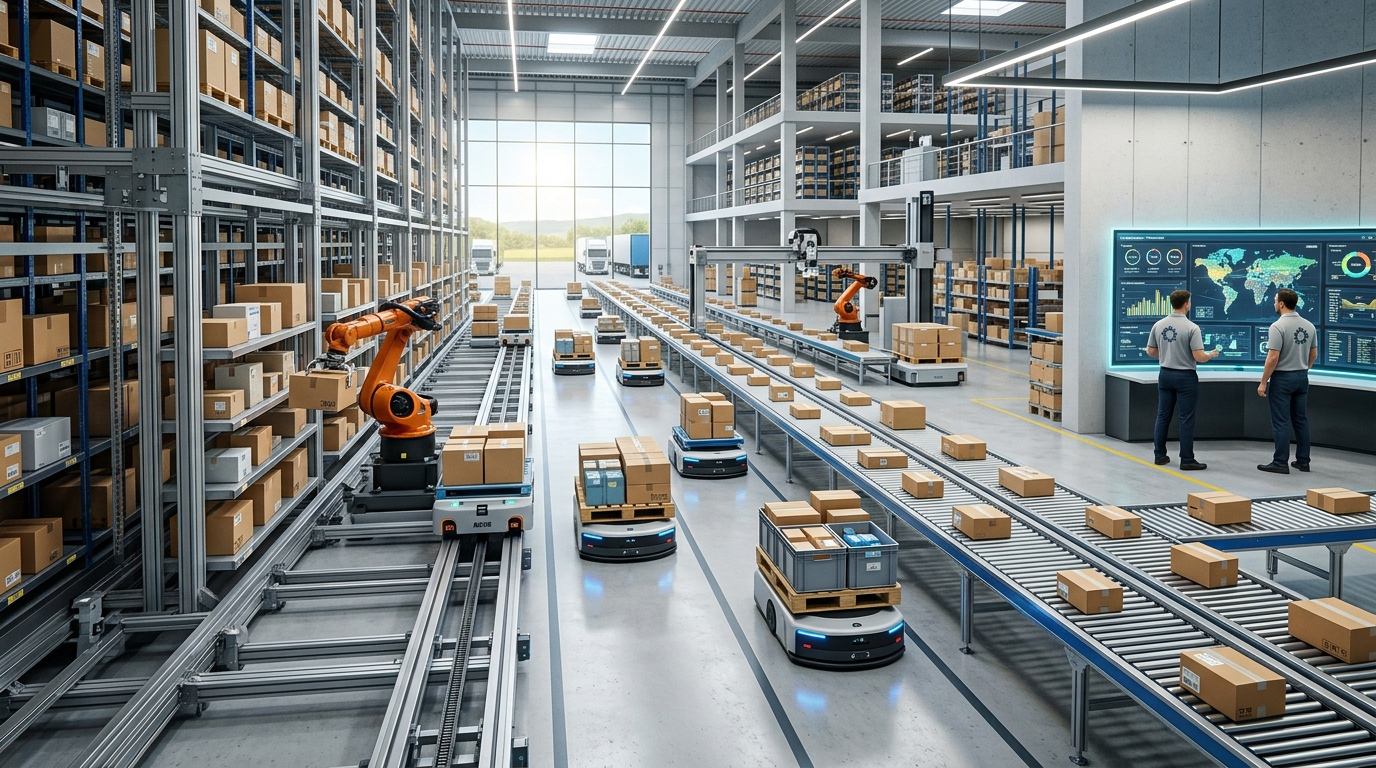
Robotics: Automated guided vehicles (AGVs) and robotic process automation (RPA) streamline warehousing, fulfillment, and transportation tasks, further enhancing efficiency.
Together, these components form a robust framework for transforming supply chain operations through automation.
Benefits of Automation in Supply Chain Processes
Cost Reduction and Efficiency
Implementing automation in supply chain processes leads to significant cost reductions over time. By minimizing manual tasks, companies can decrease labor costs and reduce errors that may lead to costly inefficiencies. This transition permits resources to be allocated to more strategic tasks, ultimately driving profitability.
Improved Accuracy and Speed
Automation dramatically enhances both the accuracy and speed of supply chain activities. With systems in place that automatically track inventory levels and manage orders, businesses can respond quickly to changes in demand without the risk of human error. These improvements create a seamless flow of goods from suppliers to customers, elevating service levels.
Enhanced Visibility and Decision-Making
Through the integration of automation, organizations can access real-time data about their supply chains. This visibility enables better decision-making and supports proactive adjustments. Businesses that leverage data-driven insights to manage their supply chains are more prepared to respond to challenges, leading to improved overall performance.
Current Trends Shaping Automation in Supply Chain
AI and Machine Learning Integration
AI and machine learning are at the forefront of supply chain automation advancements. Companies are increasingly adopting AI-driven solutions that enhance efficiency and provide deeper insights into customer behavior and market demands. This integration leads to smarter inventory management and demand forecasting.
Hyperautomation
The concept of hyperautomation involves the use of advanced technologies to automate processes end-to-end. By combining various automation tools, organizations can create interconnected systems that drive efficiencies across the entire supply chain. This trend is pushing companies to embrace a more holistic approach to automation.
Sustainability and ESG Considerations
As sustainability becomes a priority, supply chain automation is adapting to meet environmental, social, and governance (ESG) standards. Businesses are incorporating automation solutions that promote sustainable practices, such as reducing waste and optimizing transportation to lower carbon footprints. This shift not only enhances corporate responsibility but can also resonate with environmentally-conscious consumers.
Challenges and Considerations for Implementing Automation
Overcoming Resistance to Change
One significant hurdle in implementing automation is the resistance to change often observed within organizations. To address this, companies must establish a culture that encourages innovation and continuously communicates the benefits of automation to employees. Engaging staff in the transition process can alleviate fears and foster a sense of ownership.
Balancing Automation and Workforce Dynamics
Automation can bring legitimate concerns about job displacement. It is crucial for organizations to balance the integration of automation with workforce dynamics. Upskilling and reskilling initiatives can help employees transition into new roles, positioning them as valuable contributors in a tech-driven landscape.
Limits of Automation Technology
While automation offers numerous advantages, it is not without limitations. Technologies can fail, and processes may not be universally applicable to every supply chain scenario. Businesses need to thoroughly evaluate their specific requirements and avoid over-reliance on automation to mitigate potential risks.
Real-World Applications and Case Studies
Digital Twins in Supply Chains
Digital twin technology has emerged as a game-changer in supply chain management. By creating virtual replicas of physical assets, companies can simulate processes to optimize operations, forecast issues, and enhance decision-making. For example, manufacturers can model their supply chains using digital twins, leading to increased efficiency and cost reductions.
Blockchain for Enhanced Transparency
Blockchain technology is transforming supply chain transparency. Its decentralized nature guarantees trust and traceability, allowing stakeholders to have full visibility into product origins, ensuring compliance with regulations and ethical standards. Companies implementing blockchain see improved accountability, which is essential for building trust in modern supply chains.
The Future Landscape of Supply Chain Automation
Predictive Analytics and Future Trends
Predictive analytics is set to play a vital role in the future of supply chain automation. By leveraging historical data, businesses can anticipate trends and make informed decisions to optimize their operations. Decision-makers must stay ahead of emerging technologies and shifts in consumer behavior to maintain a competitive edge.
Preparing for a Fully Automated Supply Chain
Transitioning to a fully automated supply chain requires careful planning and strategic foresight. Organizations need to assess their current capabilities and establish a roadmap toward full automation. This transition often involves investing in technology, fostering a culture of innovation, and preparing teams for new processes and tools.
The future of supply chain automation holds immense promise, offering significant benefits that can elevate operational efficiency, improve decision-making, and promote sustainability.