
Optimizing Multi-Tenant SaaS Architectures for Efficient AI Workflows
Enhance your multi-tenant SaaS architecture for AI workflows. Discover strategies to improve efficiency and scalability. Start optimizing today!
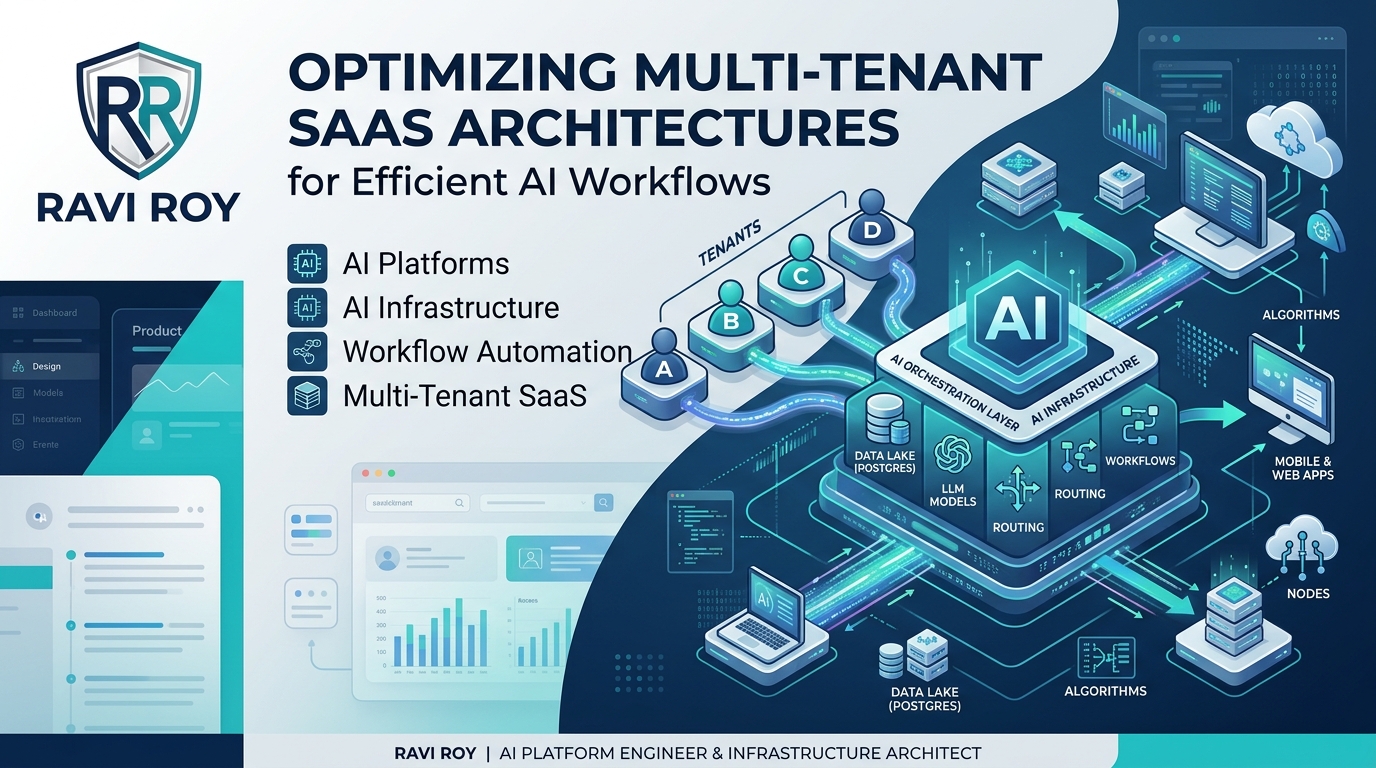
Optimizing Multi-Tenant SaaS Architectures for Efficient AI Workflows
Understanding how to optimize multi-tenant SaaS architectures is crucial for any organization looking to enhance its AI workflows. This optimization not only improves efficiency but also drastically reduces operational costs, giving businesses a competitive advantage in a rapidly evolving tech landscape.
Understanding Multi-Tenant SaaS Architectures
What is Multi-Tenant SaaS?
Multi-tenant SaaS (Software as a Service) refers to a single instance of a software application that serves multiple clients or tenants. Unlike single-tenant architectures, where each client gets a separate instance, multi-tenant SaaS efficiently leverages shared resources. This approach involves an architecture where individual tenants share the same database and application code while keeping their data separate and secure. The inherent design of multi-tenant SaaS promotes efficient resource utilization, making it ideal for scaling AI workflows.
Benefits of Multi-Tenant SaaS for AI Workflows
Implementing a multi-tenant architecture presents numerous advantages, particularly for businesses that leverage AI. One of the primary benefits is cost efficiency; by sharing resources, companies can significantly reduce operational expenditures. Moreover, the scalability of multi-tenant architectures allows AI solutions to grow seamlessly without overburdening the infrastructure. As your AI requirements expand, the underlying architecture can automatically accommodate increased loads, thus enhancing the overall operational agility.
Key Strategies for Optimizing AI Workflows
Implementing Hybrid Resource Models
A hybrid resource model combines both shared and dedicated resources to enhance the performance of AI workflows within a multi-tenant environment. This method allows organizations to optimize costs while still meeting the distinct needs of high-demand tenants. For example, critical AI processes can be allocated dedicated resources, while less demanding functions can share infrastructure. This balance not only improves efficiency but also promotes secure tenant management.
Utilizing Control Planes for Governance
Control planes play a vital role in managing tenant data and applications within multi-tenant SaaS architectures. By implementing a control plane, organizations can ensure effective governance and oversight, facilitating smooth tenant management. This structure simplifies policy enforcement and customization while maintaining compliance with data regulations. The impact of control planes on AI efficiency is substantial; they enable organizations to quickly deploy enhancements and adjustments without compromising security or performance.
Tenant-Aware AI Isolation: What You Need to Know
Defining Tenant-Aware AI Isolation
Tenant-aware AI isolation refers to the ability to customize AI functionalities for individual tenants without affecting others in the shared environment. This concept ensures that each tenant enjoys personalized performance and configurations suited to their unique requirements, enhancing user satisfaction. By isolating AI processes, organizations can mitigate risks associated with data breaches or performance degradation.
Benefits and Implementation Strategies
The advantages of tenant-aware AI isolation are significant. For instance, businesses can employ frameworks and tools that support this type of isolation to enhance tenant-specific capabilities. This approach facilitates the deployment of bespoke algorithms and models tailored to each tenant's data and usage patterns, leading to improved outcomes. Implementing tenant-aware AI isolation requires careful planning and the integration of suitable technological frameworks, but the payoffs are well worth the effort.
Cost Management in Multi-Tenant AI Environments
Strategies for Reducing Inference Costs
Effective cost management is essential when implementing AI workflows in a multi-tenant environment. To reduce inference costs, organizations should adopt a cost-aware orchestration strategy for their AI features. This approach involves carefully evaluating the resource utilization of AI processes and assessing the need for various functionalities. By optimizing computing resources and prioritizing efficiency, companies can ensure they are not overspending on unnecessary resources.
Meeting Performance Needs with Cost-Effective Solutions
Balancing performance and cost in AI workflows is a delicate endeavor. Organizations must evaluate trade-offs between high-performance AI solutions and associated expenses. Utilizing analytics tools can help assess which AI features provide the most benefit relative to their costs. By honing in on best practices for scaling AI without incurring unnecessary expenditure, businesses can maintain robust performance while managing their budgets effectively.
Emerging Trends in Multi-Tenant SaaS for AI
Kubernetes and Serverless Integration
The integration of Kubernetes and serverless architectures is transforming multi-tenant SaaS environments, especially as organizations seek to leverage AI technologies. Kubernetes offers a powerful orchestration tool that automates deployment, scaling, and management of containerized applications. Coupled with serverless architectures, Kubernetes enables companies to efficiently deploy AI workflows that automatically scale according to demand, maximizing efficiency and resource utilization.
Future Directions for Multi-Tenant Architectures
The landscape for multi-tenant SaaS architectures is continually evolving. As organizations increasingly adopt AI, future advancements will likely focus on enhanced governance capabilities, security features, and improved resource optimization strategies. Staying ahead of these trends will equip businesses to adapt their multi-tenant architectures to not only manage but also leverage the power of AI effectively.
Case Studies and Real-World Applications
Successful Implementations of Multi-Tenant SaaS for AI
Examining real-world examples can provide invaluable insights into optimized AI workflows within multi-tenant SaaS environments. Companies that have successfully implemented these strategies often demonstrate significant reductions in costs and improvements in performance. By strategically utilizing hybrid resource models and control planes, these organizations have managed to enhance their service offerings while maintaining compliance and security.
Lessons Learned from Industry Leaders
Case studies underline the importance of iterative approaches to refining AI workflows in multi-tenant architectures. Industry leaders have learned that constant monitoring and optimization are essential. Key takeaways include investing in robust governance frameworks and embracing customization through tenant-aware AI isolation. By adhering to these principles, organizations can enhance their AI capabilities while effectively managing costs and resources.
Conclusion and Next Steps
Optimizing multi-tenant SaaS architectures for AI workflows involves various strategies, including the implementation of hybrid resource models, tenant-aware AI isolation, and effective cost management. By following these essential strategies, organizations can achieve greater efficiency, enhance tenant satisfaction, and reduce operational costs.
Are you ready to transform your multi-tenant SaaS architecture? Explore how your organization can implement these strategies for optimized AI workflows today!