Navigating the Generative AI Landscape: Best Practices for Software Development
Unlock the full potential of generative AI in software development. Discover best practices to enhance your projects and workflows today!
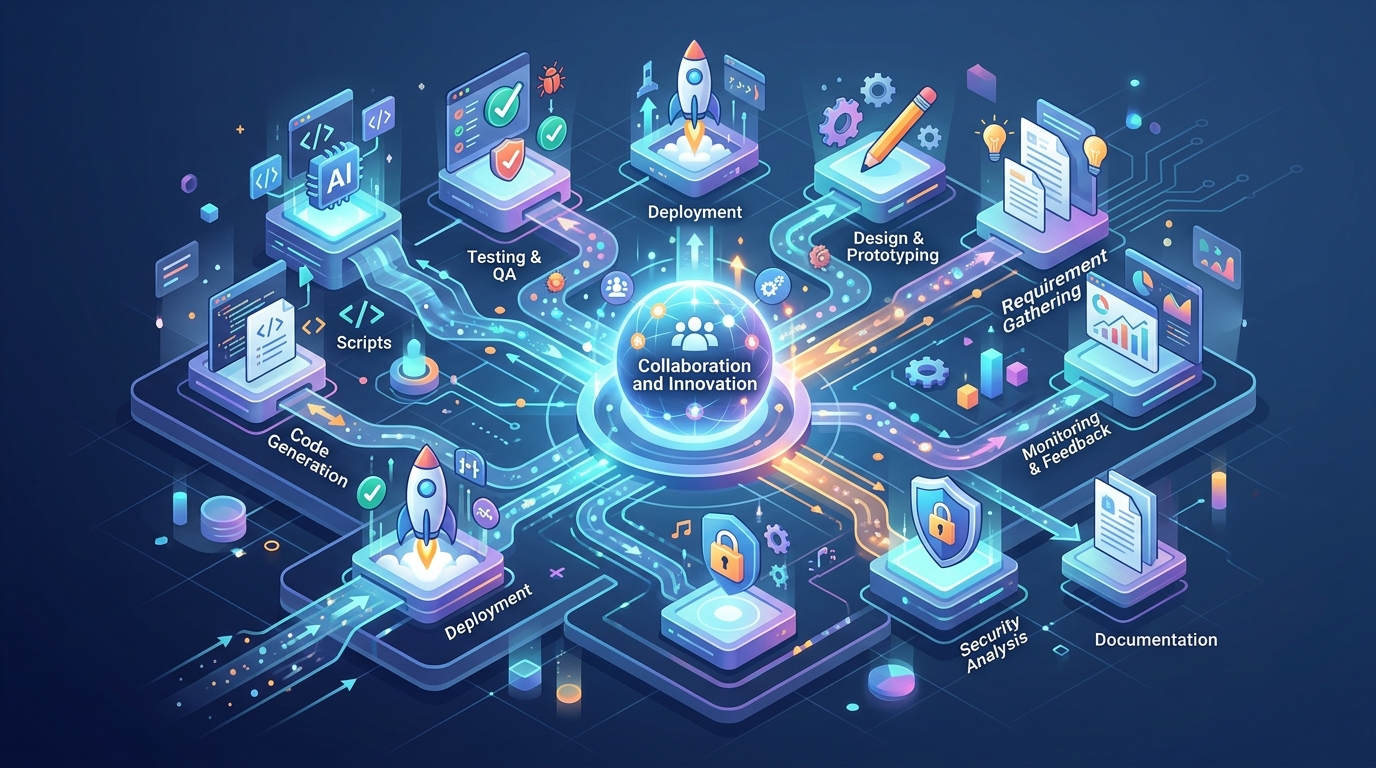
Understanding Generative AI in Software Development
What is Generative AI?
Generative AI is a powerful tool reshaping the landscape of software development. It refers to algorithms designed to generate new content based on existing data—whether text, images, or even complete applications. In the context of software development, generative AI assists developers by automating repetitive coding tasks, enhancing coding efficiency, and unlocking new realms of creativity that were previously out of reach.
The Role of Generative AI in Software Development
The introduction of generative AI into software development practices represents a significant opportunity for teams to accelerate their workflows. By automating mundane coding tasks, developers can focus on solving complex problems and innovating solutions. Imagine a scenario where AI generates boilerplate code, allowing your team to channel their energy toward optimizing functionality or improving user experience. Generative AI isn't just about writing code; it's about evolving the development process itself, enhancing both collaboration and output quality.
Best Practices for Implementing Generative AI
Integrating Generative AI into Your Workflow
The seamless integration of generative AI into existing development processes can amplify productivity. Here are some steps to consider:
Evaluate Your Needs: Identify areas where generative AI can solve specific problems or streamline processes, such as code automation or testing.
Choose the Right Tools: Look for tools that best fit your team's requirements. Some popular choices include GitHub Copilot, OpenAI Codex, and Tabnine, known for their efficiency in generating code snippets and improving collaboration.
Pilot Projects: Start with small-scale pilot projects to test AI integration. This gives your team the chance to adapt and learn without overwhelming existing processes.
Gather Feedback: Collect insights from team members about their experiences with the tools. This feedback is invaluable for adjustments and for scaling the technology across projects.
Document the Process: Maintain clear documentation of how generative AI is being integrated into workflows to aid future projects and onboarding processes.
Training AI Models Effectively
The success of generative AI largely hinges on the quality of data and model training. Here’s how to ensure effective training:
Quality Data Collection: High-quality input data leads to better results. Use clean, relevant datasets that reflect the type of coding tasks you want the AI to automate.
Continual Learning: Regularly update the AI model with new data to keep it relevant. Technologies evolve rapidly, and so should the AI's knowledge base.
Testing and Validation: Continuously validate the AI-generated code. Establish a feedback loop where developers can provide input on the usefulness, accuracy, and efficiency of the AI's output.
Practical Applications of Generative AI in Software Development
Code Generation
Generative AI can significantly accelerate the code creation process. For instance, using tools like GitHub Copilot allows developers to type comments describing the desired functionality, and the AI generates the actual code. Instead of spending hours coding, developers can focus on refining and customizing the AI-generated snippets, thereby enhancing overall productivity.
Automated Testing
Testing is a crucial part of software development, often consuming a significant amount of a developer's time. Generative AI can automate testing processes by generating test cases and even testing scripts based on existing code. Tools like Test.ai can simulate user interactions and identify bugs, ensuring the software's reliability and performance without manual intervention.
Documentation and Knowledge Sharing
Another area where generative AI excels is in documentation. AI-powered tools can automatically create and update documentation based on the existing codebase. For example, using Markdown editors paired with generative AI can enable real-time documentation updates. This ensures that team members have access to the most current information, promoting knowledge sharing and collaboration.
Addressing Risks and Responsibilities
Potential Risks of Using Generative AI
While the benefits of generative AI are numerous, there are potential risks to consider:
Bias in Outputs: AI models can inherit biases from the datasets they are trained on, which could result in skewed or inappropriate outputs.
Over-Reliance on AI: Developers may become too dependent on AI-generated code, potentially stunting their own coding abilities or leading to the introduction of errors.
Security Risks: Using AI to automate coding carries security implications. It's essential to vet AI-generated code carefully to protect against vulnerabilities.
Ethical Considerations in AI Development
Developers must navigate various ethical issues, including transparency, data privacy, and the implications of AI-generated decisions. Addressing these considerations proactively fosters a responsible approach to developing and implementing AI technologies within teams.
The Future of Generative AI in Software Development
Trends Shaping the AI Landscape
The generative AI landscape is rapidly evolving, with several trends on the horizon:
Enhanced Natural Language Processing: Improved NLP capabilities are making it easier for developers to interact with AI, further simplifying the coding process.
Incorporation of Machine Learning: More AI tools will incorporate machine learning to adapt to individual developer styles and preferences.
Increased Collaboration Features: Future generative AI tools will focus on collaboration, allowing teams to work together seamlessly, regardless of location.
Preparing for Rapid Advancements
To adapt to these rapid advancements, developers should commit to lifelong learning. Attend workshops, engage with online communities, and subscribe to industry newsletters to stay informed. Creating a culture of continuous improvement within your development team will position you to leverage new generative AI tools effectively.
Getting Started with Generative AI
Tools and Resources
If you’re looking to dive into generative AI, here’s a list of popular tools and platforms to consider:
GitHub Copilot: A code completion tool that suggests entire lines or blocks of code.
OpenAI Codex: Capable of writing code across multiple programming languages based on natural language prompts.
Tabnine: An AI-driven code completion tool that integrates with popular IDEs.
Building Your First Generative AI Model
Curious about building a simple generative AI model tailored for coding? Follow these steps:
Select Your Framework: Choose a machine learning framework such as TensorFlow or PyTorch.
Prepare Your Dataset: Collect a dataset that includes examples of the type of code you wish the AI to generate.
Build Your Model: Set up a neural network architecture, typically using LSTM or transformer models for code generation tasks.
Train Your Model: Feed the prepared dataset into the model and begin the training process, adjusting parameters as necessary.
Test and Refine: Evaluate your model's output and make adjustments based on testing results to improve accuracy.
Conclusion
Integrating generative AI into software development practices can revolutionize your workflow, enhance efficiency, and inspire creativity. However, it's vital to address both the challenges and ethical considerations that come with this powerful technology.
What specific challenges have you faced when integrating generative AI into your software development process?
💬 Join the conversation — share your take in the comments and tell us what you’d add.