
Maximizing AI Model Utility: Best Practices for Pay-As-You-Go API
Unlock AI model utility with best practices for pay-as-you-go APIs and transform your projects today!
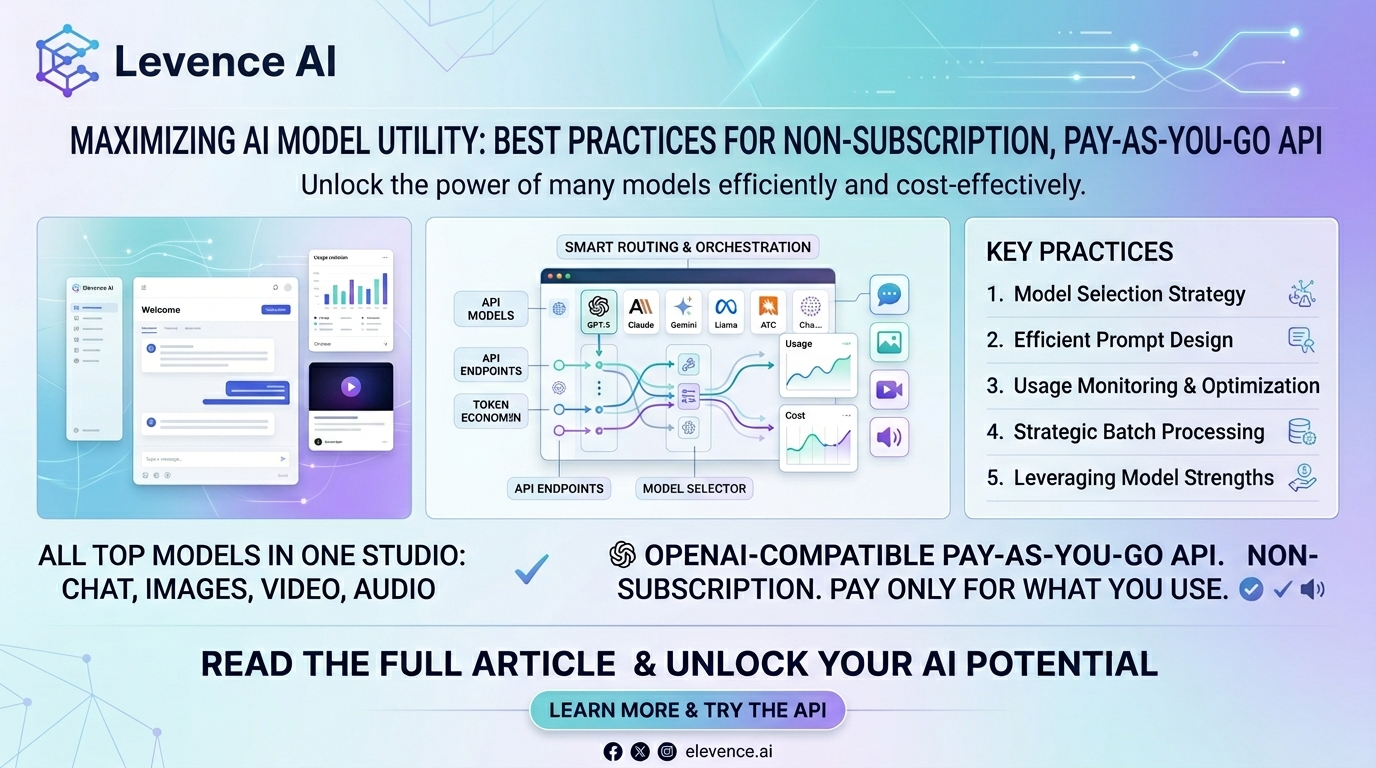
Maximizing AI Model Utility: Best Practices for Pay-As-You-Go API
In a landscape where efficiency is paramount, maximizing AI model utility stands out as a pivotal challenge for businesses. By adopting pay-as-you-go API pricing models, organizations unlock powerful benefits that can reshape how they leverage AI technology.
Understanding AI Model Utility and Pay-As-You-Go Pricing
AI model utility refers to the effective deployment and performance of artificial intelligence models to drive meaningful outcomes. Its significance in today's applications cannot be understated, especially as organizations increasingly rely on AI for decision-making and automation.
How Pay-As-You-Go Pricing Benefits AI Model Utility
The pay-as-you-go model transforms the traditional pricing structure, allowing companies to pay only for the resources they use, which directly enhances AI model utility. This flexibility helps in optimizing costs, as businesses only incur expenses when they actively utilize AI functions. Key benefits include:
Cost Efficiency: Companies avoid hefty up-front investments and instead allocate funds based on actual API usage.
Scalability: As demand fluctuates, organizations can scale their AI usage without being locked into fixed contracts.
Accessibility: Smaller businesses can access cutting-edge AI technologies that would otherwise be out of reach.
Key Units of Consumption for AI API Billing
Understanding how billing works plays a critical role in optimizing costs. Common units of consumption in AI API billing often include:
Tokens: Many AI models, including language models, charge based on the number of tokens processed.
Requests: Other APIs might structure bills around the number of requests made, providing clear metrics for budgeting.
By focusing on these units, businesses can monitor usage effectively and align their costs with actual performance.
Enhancing ROI with Real-Time Metering and Analytics
Modern businesses thrive on data, and leveraging real-time metering and analytics is indispensable for maximizing ROI from pay-as-you-go APIs.
Real-Time Metering for Improved Customer Experience
Real-time metering allows organizations to track consumption as it happens. Not only does this provide insights into resource allocation, but it also enhances product accuracy and customer satisfaction. When users can view their usage in real time, they can adjust their behavior to optimize performance, creating a more seamless experience.
Analytics: Making Data-Driven Decisions
Analytics are critical in understanding how resources are being utilized. By analyzing usage patterns, businesses can identify areas of inefficiency and make informed decisions about AI model deployment. This data-driven approach allows for the optimization of resource usage, directly correlating to cost savings and improved service delivery.
Hybrid Pricing Models: Blending Fixed and Variable Costs
As AI technology evolves, so too does the pricing landscape. A hybrid pricing model merges fixed and variable costs, creating a balanced approach that can be beneficial for AI APIs.
Advantages of Hybrid Pricing Models
Predictability: Fixed elements provide a sense of stability in budgeting, while variable elements allow flexibility for changing demands.
Customization: Companies can tailor their expenditure based on specific usage scenarios, effectively optimizing costs over time.
When to Consider Hybrid Pricing
Hybrid pricing is particularly effective in situations where user demand fluctuates significantly. For example, businesses during peak seasons may benefit from a combination of fixed base fees and variable charges based on the heightened API usage.
The Importance of Transparency in Usage and Billing
Transparent usage and billing practices are crucial for maintaining customer loyalty and minimizing churn.
Reducing Customer Churn through Transparent Policies
Customers are more likely to remain loyal to services that are clear about usage and costs. Transparency helps in understanding how costs are derived and encourages trust, thereby reducing churn rates.
Educating Customers on Cost Management
Providing educational resources on how to manage costs associated with pay-as-you-go models is essential. When customers fully grasp how their usage affects billing, they can make more informed choices that lead to better experiences and satisfaction.
Best Practices for Transitioning to Pay-As-You-Go Models
Transitioning to a pay-as-you-go model is not without its challenges, but with the right strategies, businesses can make a smooth shift.
Strategies for Smooth Transition
Communication: Initiating an open dialogue with customers about the transition helps set expectations and reduces resistance.
Pilot Programs: Running a pilot program can allow businesses to test the waters and make adjustments before a full rollout.
Common Pitfalls to Avoid
Transitioning can lead to confusion if not handled carefully. Some common pitfalls include:
Neglecting Customer Education: Failing to inform customers about the changes can lead to dissatisfaction.
Underestimating Usage Patterns: Ignoring historical usage data may result in unpreparedness for increased demand post-transition.
Case Studies: Successful AI API Implementations with Pay-As-You-Go
To truly grasp the potential of pay-as-you-go models, examining real-world applications can provide insightful takeaways.
Real-World Examples
Consider a mid-sized e-commerce platform that integrated a pay-as-you-go AI API for personalized product recommendations. As consumer behavior data evolved, they adjusted their usage without facing penalties, allowing for agile marketing strategies. Similarly, a healthcare provider utilized real-time analytics and metering to optimize its AI resources, significantly improving patient outcomes.
Key Takeaways from Successful Implementers
Agility is Key: The ability to adapt to changing needs while controlling costs enhances overall efficiency.
User Engagement: Actively engaging users in understanding how to leverage AI resources leads to satisfaction and loyalty.
Maximizing AI model utility through effective pay-as-you-go API strategies can redefine how your organization approaches resource allocation and customer service.
Start optimizing your AI model utility today by exploring our comprehensive resources on pay-as-you-go API strategies.