
Key Considerations for Developers in AI Infrastructure Planning
Explore essential considerations for AI Infrastructure to enhance your development projects. Future-proof your tech with expert insights today!
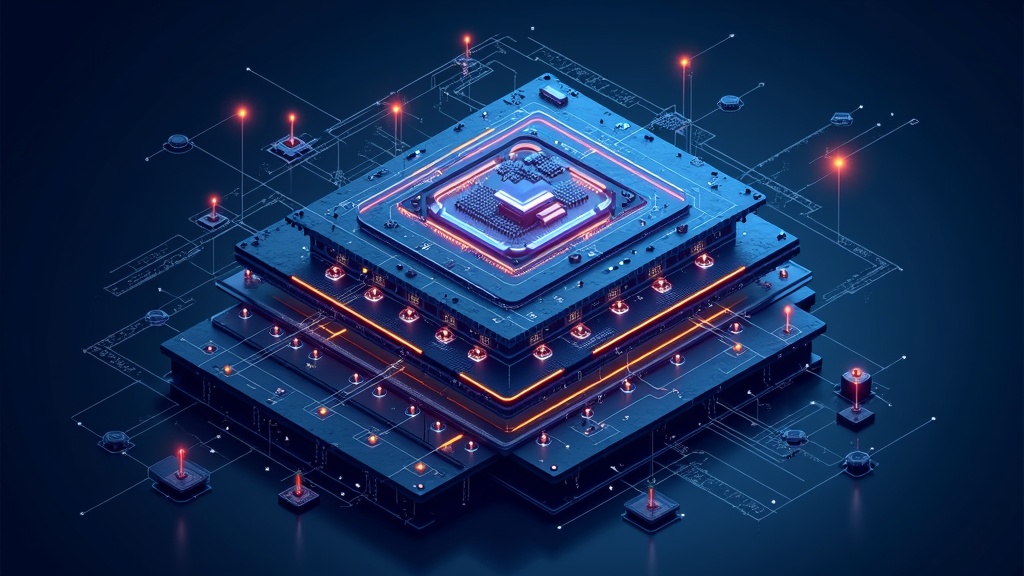
Understanding AI Infrastructure Essentials
What is AI Infrastructure?
AI infrastructure is a crucial set of components that supports the design, deployment, and management of artificial intelligence systems. This includes hardware such as CPUs, GPUs, and specially designed AI chips, along with software frameworks and data storage solutions tailored for machine learning tasks. Unlike traditional IT infrastructure, which primarily focuses on data management and transactions, AI infrastructure is optimized for processing large data sets and running complex algorithms that drive intelligent applications.
The Rise of Generative AI
The advent of generative AI is reshaping the landscape of AI infrastructure. With the ability to create content, images, or even music, generative AI demands more sophisticated and robust systems. This emergence calls for specialized hardware capable of handling high throughput and low latency. Traditional infrastructure may falter under these new requirements, making a transition to AI-optimized systems essential for organizations hoping to remain competitive.
Addressing the Demand for AI-Optimized Infrastructure
Handling the Explosive Demand
The demand for AI-optimized infrastructure is skyrocketing. According to recent studies, the global AI infrastructure market is expected to grow significantly, driven by industries such as healthcare, finance, and retail. As more entities adopt AI technologies, the need for scalable, flexible infrastructure that can support dynamic workloads becomes paramount.
The Role of Cloud-Based Platforms
Cloud-based AI platforms are at the forefront of addressing this growing demand. These platforms offer scalable resources, enabling developers to access powerful computing capabilities without a heavy upfront investment in hardware. Moreover, they serve as a suitable solution for startups and smaller enterprises that require AI capabilities but lack extensive capital.
Key Technologies Shaping AI Infrastructure
Specialized AI Chips
The emergence of specialized AI chips is revolutionizing AI infrastructure. Unlike standard processors, these chips are designed to handle parallel processing and intricate computations necessary for machine learning algorithms. Companies like NVIDIA and Google have introduced chips that enhance speed and efficiency, making them invaluable in delivering real-time AI applications.
Edge Computing and Serverless Architectures
Edge computing is another technology gaining traction in AI infrastructure. By processing data closer to the source—such as IoT devices—edge computing reduces latency and enhances performance. This is particularly important for real-time AI applications, like autonomous vehicles and smart cities.
Meanwhile, serverless architectures provide a flexible approach to infrastructure management. By allowing developers to run code in response to events without managing servers, organizations can efficiently optimize resource utilization, reducing costs while enhancing scalability.
Ensuring Sustainability and Energy Efficiency
Best Practices for Sustainable AI Infrastructure
Building sustainable AI infrastructures is becoming a critical consideration for developers. Best practices include employing energy-efficient hardware, utilizing cloud services that prioritize renewable energy, and implementing cooling solutions that reduce power consumption during processing. These steps can significantly lower a company's carbon footprint while maintaining operational efficiency.
Energy Efficiency Metrics to Consider
When analyzing energy efficiency in AI operations, several metrics come into play. One crucial metric is the Power Usage Effectiveness (PUE), which compares the total building energy usage to the energy used for IT equipment. Another metric is the Carbon Usage Effectiveness (CUE), which measures carbon emissions based on energy consumption. Monitoring these metrics will help organizations optimize their infrastructure for both performance and sustainability.
AI's Role in IT Security and Automation
AI in Cybersecurity
AI plays a pivotal role in enhancing IT security measures. Machine learning algorithms can analyze vast amounts of data to detect anomalies and predict potential threats before they materialize. This proactive approach is essential for businesses striving to protect their networks from increasingly sophisticated cyber threats.
Automating Infrastructure Management
Incorporating AI into infrastructure management processes can lead to significant improvements in efficiency. Automated monitoring and predictive analytics can help identify issues before they escalate, allowing for timely interventions. This level of automation minimizes downtime and ensures a more resilient infrastructure.
Geographical Trends in AI Infrastructure Development
North America's Dominance
North America currently leads the way in AI infrastructure development, driven by a robust technology landscape and significant investments in research and development. Major companies and academic institutions in the region are at the forefront of innovations that shape AI infrastructure worldwide.
Global Comparisons and Trends
Globally, regions like Asia and Europe are catching up, propelled by rapid advancements in technology and increased government support for AI initiatives. Countries in these regions are starting to build localized AI infrastructures, often focusing on specific industrial applications that cater to their unique economic landscapes.
Future Directions for Developers in AI Infrastructure
Preparing for Evolving Technologies
As technological advancements continue to emerge at a rapid pace, developers must stay ahead by preparing for shifts in AI infrastructure paradigms. Anticipating the introduction of quantum computing and more advanced AI frameworks will be vital for those looking to innovate in this space.
Skills Developers Need
To effectively navigate the evolving landscape, developers should focus on acquiring skills in cloud computing, data engineering, and machine learning frameworks. Familiarity with specialized hardware, along with an understanding of energy-efficient design practices, will also be essential for future success.
What challenges have you faced in implementing AI infrastructure, and how did you overcome them?
💬 Join the conversation — share your take in the comments and tell us what you’d add.