Integrating Edge AI into Mobile Applications: Real-Time Strategies
Unlock the power of Edge AI for mobile apps and enhance performance. Explore strategies to integrate real-time capabilities today!
Understanding Edge AI and Its Benefits
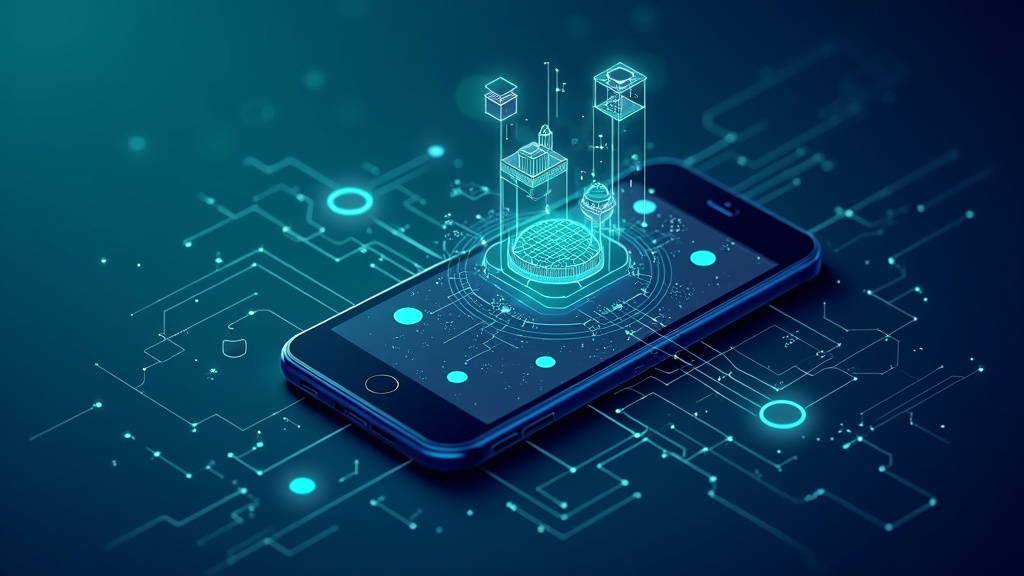
Edge AI is revolutionizing mobile applications by bringing advanced computational capabilities directly to the device. But what exactly is Edge AI? It entails processing data at the device level rather than relying solely on cloud-based solutions. This paradigm shift enables applications to make real-time decisions and enhances the overall user experience.
What is Edge AI?
At its core, Edge AI combines artificial intelligence with edge computing. Instead of transmitting data to a centralized cloud for analysis, Edge AI processes it locally on the device. This reduces latency, allowing for quicker insights and actions. Key components of Edge AI include:
Local Processing: Using device hardware (like CPUs and GPUs) for data computations.
Machine Learning Models: Deployed models specifically designed for efficient execution on mobile platforms.
Key Advantages of Edge AI in Mobile Applications
Integrating Edge AI into mobile applications offers several notable benefits:
Reduced Latency: Near-instantaneous data processing allows for timely responses, such as instant facial recognition in security apps.
Increased Privacy: Sensitive data remains on the device, minimizing security threats associated with data transmission.
Lower Bandwidth Requirements: By analyzing data locally, there’s less need for continuous communication with cloud servers, which can be especially beneficial in areas with limited connectivity.
Consider how Edge AI is transforming industries—from healthcare to smart homes. For instance, a leading healthcare app uses Edge AI for real-time patient monitoring, ensuring immediate alerts without relying on internet connectivity.
Challenges in Integrating Edge AI into Mobile Apps
While the benefits are significant, there are also challenges that developers must navigate when integrating Edge AI into mobile applications.
Technical Hurdles
One of the most pressing issues is the limitations of mobile hardware. Devices often struggle with the computational intensity required for advanced algorithms. Developers may face constraints like:
Power Consumption: Resource-hungry processes can drain batteries, which is crucial since mobile applications need to prioritize energy efficiency.
Device Compatibility: Ensuring that the app runs smoothly across different operating systems and device specifications can complicate development.
User Experience Issues
Beyond technical limitations, integrating Edge AI can impact the user experience. It's vital that the app remains intuitive and responsive. Challenges include:
App Complexity: Advanced features may overwhelm users if not implemented with clarity and ease of use.
Responsiveness: Striking a balance between real-time performance and resource consumption is crucial to keep users engaged without frustration.
Strategies for Effective Integration of Edge AI
To harness Edge AI's potential, developers can adopt several effective strategies.
Selecting the Right Framework
Choosing the appropriate framework is foundational for building Edge AI functionalities. Popular options include:
TensorFlow Lite: Designed for mobile and edge devices, it simplifies deploying machine learning models.
NVIDIA Jetson: Offers powerful capabilities for real-time video processing, ideal for applications needing high-performance graphics.
Optimizing Data Processing
Optimizing data processing ensures applications run efficiently. Key techniques include:
Data Filtering: Implementing algorithms to preprocess data can reduce the load on the processor, thereby conserving resources and enhancing performance.
On-Device Training: Allowing models to learn and adapt over time on the device itself can lead to increasingly personalized and efficient user experiences.
Ensuring Security and Privacy
User data protection is paramount. Developers should:
Implement Encryption: Ensure that data processed on the device is encrypted to safeguard sensitive information.
Regular Security Audits: Conduct assessments to identify potential vulnerabilities resulting from Edge AI integration.
Real-World Case Studies of Edge AI Implementation
Various industries illustrate how Edge AI is pushing boundaries and enhancing capabilities.
Healthcare Innovations
In healthcare, apps utilizing Edge AI are enabling real-time patient monitoring, which can dramatically improve response times in emergencies. For example, wearable devices analyze vitals and alert healthcare providers instantly, showcasing the life-saving potential of on-device processing.
Smart Home Solutions
Smart home devices leveraging Edge AI are revolutionizing energy management. Sensors that monitor energy consumption and adjust resource use based on real-time analytics help homeowners reduce costs while increasing efficiency.
Gaming Applications
Gaming is another realm where Edge AI is making waves. Real-time decision-making enhances gameplay by adapting to players’ actions instantly, thus creating a more engaging experience. Developers can utilize machine learning to personalize gaming challenges based on skill levels.
Future Trends in Edge AI for Mobile Applications
Looking ahead, Edge AI is poised for significant advancements and market growth.
Predicted Developments
Future developments may include enhanced AI algorithms designed specifically for mobile platforms and improved hardware capabilities, allowing for even more complex applications.
Potential Market Impact
The Edge AI market is expected to experience substantial growth. As consumer demand for more sophisticated, responsive applications increases, developers who adopt Edge AI early will be at a distinct advantage, setting themselves up for success in this evolving landscape.
Tips for Developers on Leveraging Edge AI
To get started with Edge AI, developers should consider practical steps that facilitate successful integration.
Start with Small Projects
Beginning with smaller, manageable projects allows developers to test the waters without overwhelming resources. For instance, integrating a simple image recognition feature can serve as an introductory Edge AI application.
Iterate with User Feedback
Feedback from users is invaluable for refining features. Conduct user testing to gather insights on performance and usability, ensuring the application meets the needs of the intended audience.
Resources such as online courses and developer forums can keep you updated on the latest Edge AI advancements, ensuring that you remain competitive in your approach.
What challenges have you faced in integrating Edge AI into your mobile applications, and how did you overcome them? Sharing your experiences could provide valuable insights for others navigating similar waters.
💬 Join the conversation — share your take in the comments and tell us what you’d add.