
Implementing Effective Digital Transformation Strategies in AI-Driven Enterprises
Unlock the potential of Digital Transformation to enhance efficiencies. Discover actionable strategies for your AI-driven enterprise today!
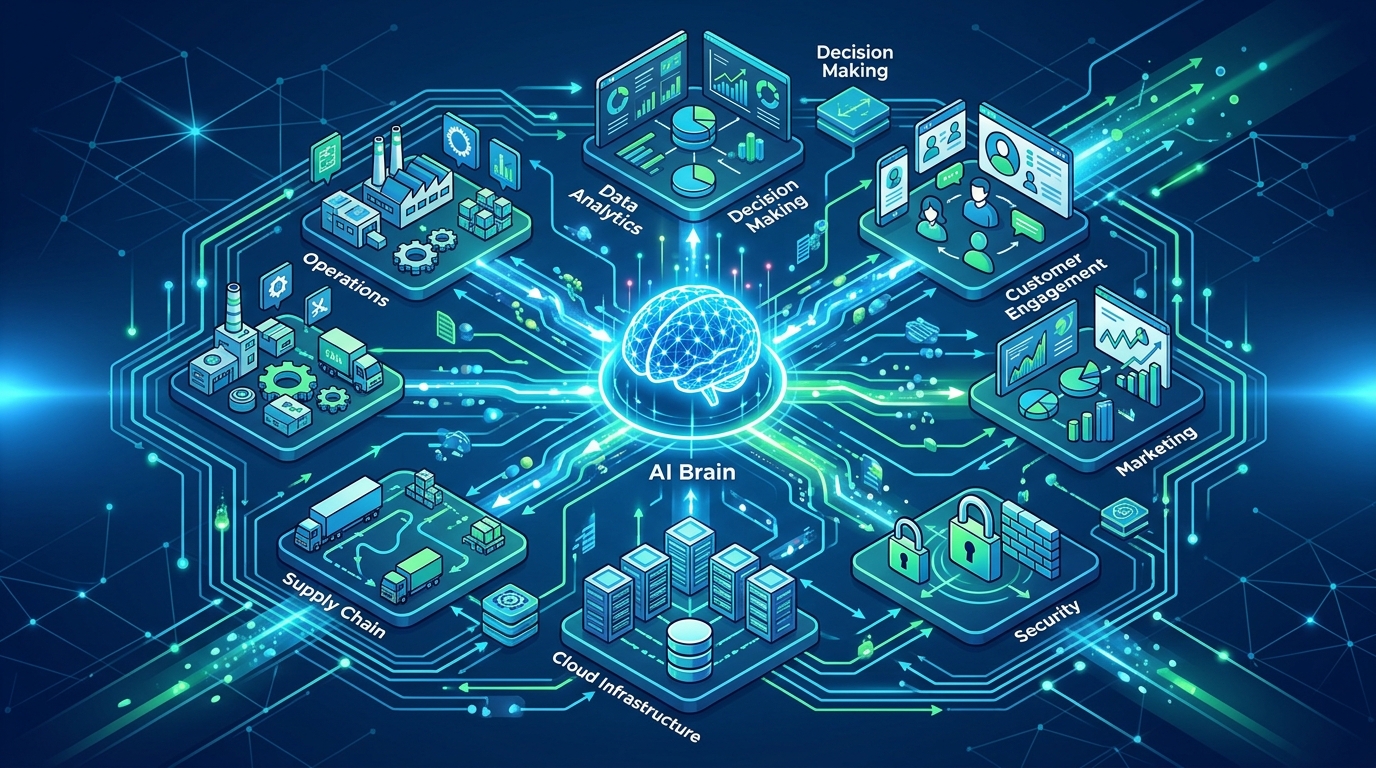
Understanding Digital Transformation in the AI Era
Digital transformation isn't just a tech buzzword; it’s a pivotal shift reshaping how businesses operate, engage with customers, and leverage technology. In an age dominated by rapid technological advancements, understanding digital transformation in the context of artificial intelligence (AI) is essential for enterprises looking to thrive.
Defining Digital Transformation
At its core, digital transformation refers to the process of integrating digital technology into all areas of a business, fundamentally changing how operations are conducted and how value is delivered to customers. It goes beyond simply having an online presence; it redefines business strategies, enhances productivity, and fosters innovation.
The Role of AI in Transformation
AI acts as a catalyst for driving these transformation efforts. By automating tasks, providing insights through data analytics, and enhancing customer interactions, AI transforms traditional business frameworks into agile, data-driven ecosystems. The ability of AI to analyze massive datasets at lightning speed means that companies can make informed, timely decisions—an essential requirement for modern competitiveness.
Key Strategies for Implementing Digital Transformation
While understanding digital transformation is crucial, implementing it effectively requires actionable strategies. Here are some key approaches to ensure successful deployment.
Developing a Clear Vision
Establishing a well-defined vision for digital initiatives is paramount. This vision serves as a guiding star, aligning all stakeholders on the purpose and goals of the transformation. For instance, a manufacturing firm might set a vision that focuses on enhancing operational efficiency through IoT and AI, envisioning a fully connected production line.
Embracing a Data-Driven Approach
Data is the backbone of any successful digital transformation. A data-driven approach involves collecting, analyzing, and acting on data insights to drive decisions. For example, companies might leverage predictive analytics to anticipate market trends or customer preferences, thus guiding their strategic direction. Tools like Google Analytics or Tableau can provide visual insights to help organizations understand their data better.
Prioritizing Customer Experience
Artificial intelligence has revolutionized how businesses engage with their customers. Personalization driven by AI can greatly enhance customer experiences. For example, e-commerce platforms can provide tailored recommendations based on users’ past behavior, leading to increased satisfaction and loyalty. Companies should invest in AI tools that analyze customer data to predict their needs and preferences, forming a core component of their digital strategy.
Foundational Technologies for Scaling AI in Transformation
To fully leverage AI's potential, companies need the right technological foundation.
Cloud-Native Solutions
Cloud technologies are critical for supporting scalable AI solutions. By allowing businesses to store vast amounts of data conveniently and access computing power on demand, cloud platforms enable organizations to implement AI models more effectively. Tools like AWS and Google Cloud provide services that can scale as businesses grow, supporting everything from data storage to machine learning model training.
Low-Code/No-Code Development
The trend of low-code and no-code platforms democratizes innovation by enabling employees without extensive programming skills to contribute to digital transformation initiatives. These tools allow teams to build applications quickly, fostering a culture of agility and innovation. For instance, platforms like Mendix empower business users to create solutions that directly address their operational challenges without waiting for IT.
Cybersecurity Essentials
As digital transformation escalates, so does the need for robust cybersecurity measures. Integration of AI must be accompanied by strong security protocols to safeguard sensitive information and maintain customer trust. Companies should employ AI-driven cybersecurity solutions that offer real-time threat detection, ensuring robust protection against breaches.
Empowering Employees through Upskilling
To successfully navigate the digital transformation landscape, organizations must prioritize employee development.
Training Programs for AI Roles
Upskilling is not just beneficial; it's imperative. Establishing comprehensive training programs ensures that employees are equipped with the necessary skills for digital and AI roles. For instance, foundational courses on machine learning and data analytics can empower teams to utilize AI tools effectively, driving the transformation process forward.
Creating a Culture of Continuous Learning
Fostering a workplace environment that embraces lifelong learning is crucial. By encouraging a culture of continuous education, organizations can keep pace with rapid technological advancements. Workshops, online courses, and industry seminars are effective means to solidify this culture, motivating employees to stay updated and engaged.
Adopting Responsible AI Practices
As technology advances, ethical considerations must not be overlooked.
Addressing Ethical Considerations
Ethical frameworks in AI development are essential for responsible implementation. Companies should establish guidelines that govern AI usage, ensuring technology is utilized in a way that aligns with their values and societal norms. Transparent policies help address public concerns related to data privacy and misuse.
Mitigating Bias in AI Systems
Bias in AI models can lead to skewed outcomes that adversely affect decision-making processes. To mitigate this, organizations should utilize diverse datasets during model training, conduct regular bias assessments, and involve multidisciplinary teams in AI development. This proactive approach ensures fairness and accuracy across AI applications.
Real-World Examples of Successful Digital Transformation
Examining successful case studies can provide valuable insights into effective digital transformation.
Case Study: AI-Driven Retail Transformation
A prominent example is a leading retail chain that leveraged AI to enhance customer experiences. By implementing an AI-driven recommendation system, they personalized shopping suggestions, which led to a significant increase in conversion rates and customer satisfaction. The integration of chatbots for 24/7 customer service further enhanced engagement, illustrating the positive impact of AI on retail.
Case Study: Automation in Healthcare
Healthcare is another sector where digital transformation has yielded impressive results. A notable hospital adopted robotic process automation (RPA) to streamline administrative tasks, freeing up medical staff to focus more on patient care. This initiative not only improved operational efficiency but also enhanced patient satisfaction, demonstrating how automation can lead to better health outcomes.
Measuring the ROI of Digital Transformation
Understanding the impact of digital transformation initiatives is vital for continual improvement.
Frameworks for Assessment
Companies need established frameworks for assessing the effectiveness of their digital transformation. The use of balanced scorecards or customer journey maps allows organizations to evaluate performance across various dimensions, from operational efficiency to customer satisfaction.
Key Performance Indicators (KPIs)
Defining KPIs that accurately reflect AI implementation success is crucial. Metrics might include customer retention rates, operational cost reductions, and time-to-market for new products or services. By tracking these indicators, businesses can quantify their return on investment in digital transformation efforts.
Adopting a meticulous approach to measuring ROI ensures that companies can identify areas for adjustment and further investment, enhancing their strategic direction.
Digital transformation in AI-driven enterprises is an ongoing journey of adaptation and growth. What has been your experience with integrating AI into your digital transformation efforts, and what challenges have you faced?
💬 Join the conversation — share your take in the comments and tell us what you’d add.