Exploring the Future of AI Agents in Software Development
Discover how AI Agents transform software development, enhancing efficiency and innovation. Explore future trends in your projects today!
Exploring the Future of AI Agents in Software Development
As the software development landscape evolves, AI agents are emerging as powerful players, destined to redefine coding practices. These autonomous systems are not just tools; they are intelligent allies capable of performing complex tasks and contributing significantly to the software development lifecycle (SDLC).
What are AI Agents in Software Development?
Definition of AI Agents
AI agents are autonomous systems designed to perform tasks with a level of independence during various stages of software development. Unlike traditional coding tools that function merely as assistants, AI agents can learn from data and adapt their actions based on contextual input, making them exceptionally versatile.
How AI Agents Work
The underlying technology powering AI agents hinges on machine learning, natural language processing, and advanced algorithms that analyze coding patterns. By analyzing vast datasets of existing code, these agents not only generate code snippets but also provide insights for optimization and troubleshooting.
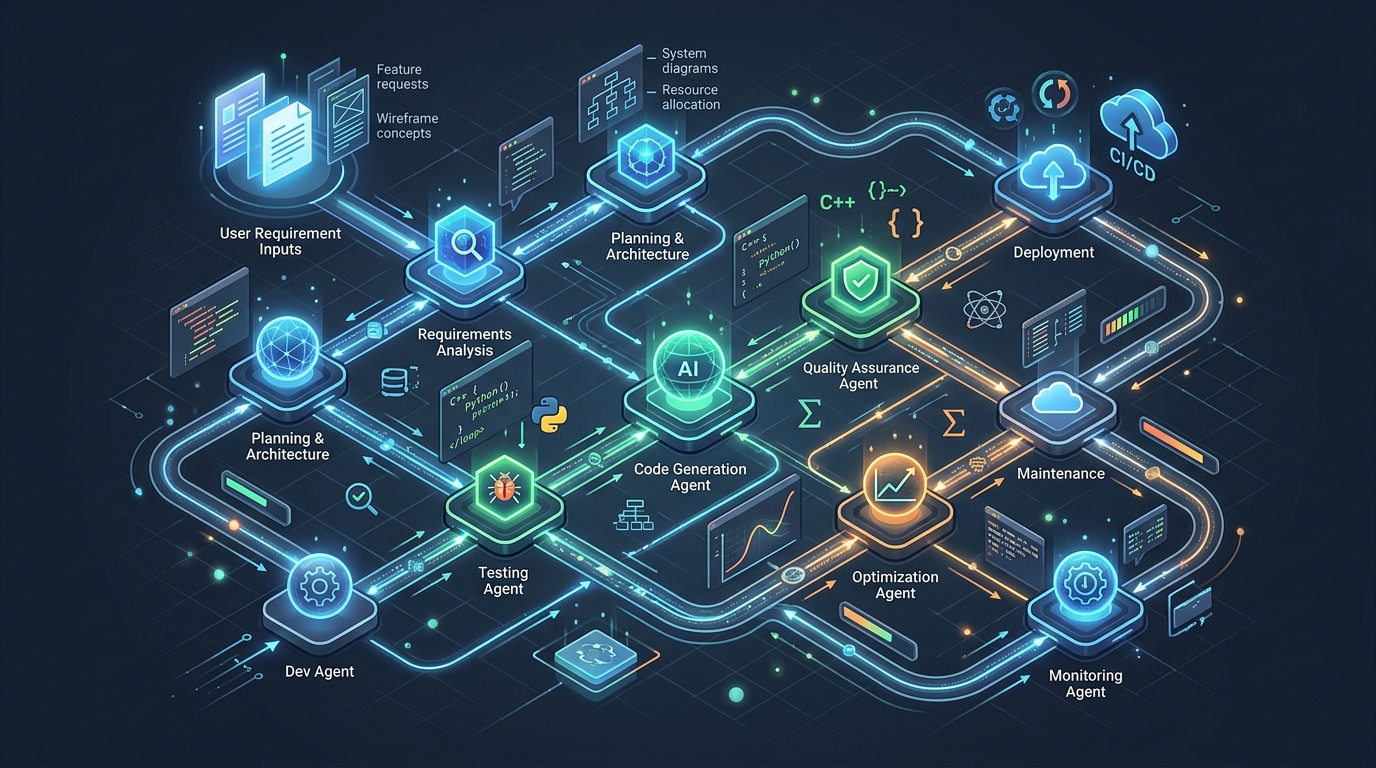
For example, when you input user requirements, AI agents can automatically suggest the appropriate code structure or even generate entire functions that fulfill those requirements. This process significantly accelerates development, as developers can focus more on overarching system design rather than getting bogged down in specifics.
Use Cases for AI Agents
AI agents shine in numerous applications within software development:
Code Generation: Automatically translating requirements into functional code blocks.
Testing Automation: Facilitating automated test case generation and execution, thus ensuring code reliability without manual intervention.
Error Detection: Identifying bugs and suggesting fixes based on historical data, enhancing overall code quality.
Differences Between AI Agents and Traditional AI Coding Tools
Comparison of Functionalities
While traditional AI coding tools like GitHub Copilot assist developers, AI agents go further by providing context-aware suggestions, adapting over time based on user behavior and project specifications. This adaptability enhances their utility, as they learn and evolve with each interaction.
Advantages of AI Agents
One notable advantage of AI agents is their ability to drastically reduce cycle times. By automatically handling repetitive tasks such as code generation and bug fixes, they free up developers to focus on innovation. Furthermore, their real-time learning capabilities mean they stay updated with the latest coding standards and practices, ensuring high accuracy and relevance.
Limitations of Traditional Tools
Traditional tools often lack support for real-time learning, which can result in outdated suggestions or methodologies. They remain reliant on a fixed dataset, making them less adaptable compared to AI agents that continuously optimize based on actual project needs.
Key Benefits of Using AI Agents
Increased Efficiency
AI agents streamline various phases of the SDLC, significantly improving productivity. By handling mundane coding tasks, teams can reallocate resources toward more strategic endeavors.
Enhanced Quality of Code
Through consistent pattern recognition and automated error detection, AI agents not only enhance code quality but also minimize vulnerabilities. Regular automated reviews promote adherence to best practices, contributing to a more reliable codebase.
Supporting Developers
AI agents act as virtual assistants that augment a developer’s capabilities. By suggesting fixes, optimizing existing code, and learning the nuances of team preferences, AI agents can significantly improve overall developer productivity.
Common Use Cases for AI Agents in Software Development
Automated Code Reviews
AI agents facilitate code reviews by analyzing codebases for common issues and suggesting improvements. This ensures consistent quality checks across team members, promoting collaborative growth and learning.
Testing Automation
Testing plays a pivotal role in software reliability. AI agents can autonomously generate and execute test cases, drastically reducing the time needed for quality assurance. They learn from previous runs, adjusting tests based on past successes or failures.
Continuous Integration and Deployment
AI agents expedite CI/CD processes by automating numerous tasks, such as build verifications and deployment adjustments. They help maintain workflows without bottlenecks, ensuring timely software releases.
Challenges in Deploying AI Agents
Integration with Legacy Systems
One of the significant challenges in deploying AI agents lies in integrating them with older legacy systems. The complexity of these systems often makes it difficult for AI agents to extract and utilize data effectively. Developers must navigate compatibility issues and develop layered solutions that bridge the gap between old and new technologies.
Reliability Issues
Reliability becomes a concern when AI agents operate beyond controlled environments. Developers must ensure their agents are robust enough to handle unpredictable variables in real-world applications. Extensive testing and monitoring are necessary to avoid potential operational issues.
Context Management
In complex workflows, AI agents must manage vast amounts of context to make informed decisions. Ensuring that they maintain accurate memory regarding user actions and project specifications can be challenging. Developers need to implement strategies for effective context management to optimize AI performance.
The Impact of AI Agents on the Software Development Lifecycle
Reducing Cycle Times
AI agents can significantly decrease cycle times across various stages of the SDLC, facilitating faster development cycles and quicker turnaround times. With the ability to automate repetitive tasks, teams can meet tight deadlines without compromising quality.
Transformative Role in Teams
Collaboration within development teams can also benefit from AI agents. By serving as a shared knowledge base and consistent coding assistant, AI agents transform how team members interact, enhancing communication and cohesion.
Future Trends
Looking ahead, we can anticipate exciting trends for AI agents, including multimodal interactions, where they can communicate through text, voice, and even visual cues. Additionally, the implementation of governance models is likely to evolve, ensuring ethical guidelines around AI involvement in development.
Comparative Analysis of Popular AI Agent Tools
GitHub Copilot vs. VA LLC
A comparative analysis between GitHub Copilot and other AI tools like VA LLC reveals distinct strengths. GitHub Copilot excels in user-friendly integrations and beginner support, while VA LLC provides robust customizability tailored for large teams and complex projects.
Feature Breakdown
Key features that distinguish effective AI agents include adaptability, real-time collaboration capabilities, and integration with popular IDEs. They should not only assist in code generation but also actively learn from ongoing projects and team interaction patterns.
Performance Assessment
Real-world performance assessments of AI agents often indicate a marked increase in productivity and code quality. With various teams testing different agent tools, the consensus generally favors AI agents over traditional tools, citing their efficiency and adaptability.
What specific AI agent functionalities have you found most beneficial in your own development projects? Share your experiences and insights!
💬 Join the conversation — share your take in the comments and tell us what you’d add.