Enhancing AI Chatbot Performance with RAG Systems: A Comprehensive Guide
Discover how RAG systems enhance AI chatbot performance. Improve user experience and engagement today!
Understanding RAG Systems
RAG systems are revolutionizing how AI chatbots interact and respond to users. They offer a more intelligent, engaging, and accurate way to handle queries, pushing the boundaries of traditional chatbot functionalities.
What is a RAG Chatbot?
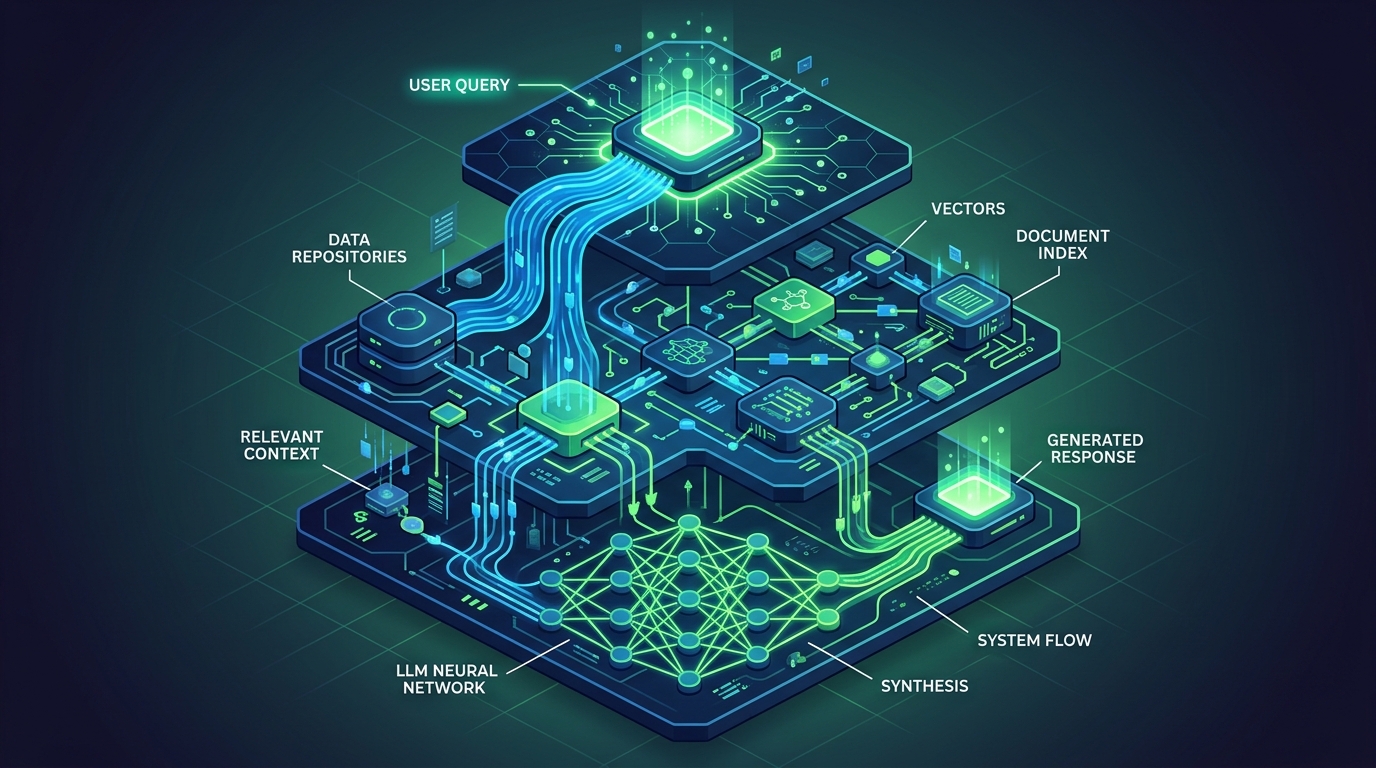
A RAG chatbot leverages Retrieval-Augmented Generation to enhance its conversational skills. Unlike standard chatbots that rely solely on pre-defined responses, RAG chatbots retrieve relevant information from vast databases and generate contextually appropriate replies. This means they can access real-time data, providing users with accurate and timely answers.
Key Components of RAG Systems
Understanding the key components of RAG systems is crucial for enhancing chatbot performance. There are three primary elements:
Retrieval Mechanisms: These are algorithms that fetch relevant data from knowledge bases or external datasets when a user inputs a question. Effective retrieval ensures that the most pertinent information is available to the generative model.
Generative Models: These AI models process the retrieved information and synthesize responses that emulate human-like interaction. They utilize advanced natural language processing techniques to ensure fluency and relevance in the conversation.
Integration Layers: This layer ensures the smooth cooperation between retrieval and generation components. It coordinates how data is fetched and how it interacts with user inputs, ultimately shaping the chatbot's ability to deliver cohesive responses.
How RAG Systems Improve Chatbot Accuracy
RAG systems shine in their ability to minimize pitfalls common in AI, such as hallucinations and response inaccuracies.
Reducing Hallucinations
Hallucinations refer to instances when AI generates responses that are plausible but factually incorrect. RAG systems address this issue by tying responses to verified data. By retrieving factual information from established databases, they mitigate the chances of producing erroneous responses. For instance, a RAG chatbot querying a healthcare database can provide accurate medical advice, unlike traditional chatbots that might guess based on flawed training data.
Improving Relevance
The core strength of RAG systems lies in their ability to enhance response relevance. Upon receiving a user query, the retrieval mechanism swiftly accesses relevant documents or data points to ensure the generative model has the best information to work with. An example can be seen in customer service chatbots that use RAG systems to pull FAQs and product specifications in real time, resulting in precise and helpful responses that align closely with user needs.
Real-world implementations illustrate the improved accuracy through RAG implementation. Companies that adopted RAG systems in their chatbots reported a significant reduction in user complaints regarding incorrect answers, thus leading to higher satisfaction ratings.
Benefits of Using RAG in AI Chatbots
The incorporation of RAG systems in chatbots comes with myriad benefits that translate into enhanced user experiences.
Enhanced Accuracy
With RAG systems, the accuracy of responses is not just improved; it’s often transformative. When chatbots provide precise, contextually relevant answers, user engagement spikes. For example, a RAG-enabled travel booking assistant can accurately retrieve flight details, ensuring that customers receive real-time updates and accurate information about their reservations.
Continuous Learning
One of the remarkable aspects of RAG systems is their capacity for continuous learning. They adapt over time, incorporating new information seamlessly. The more they interact with users, the more they learn which responses offer the highest value. This adaptability means businesses can keep their chatbots updated with the latest information without extensive reprogramming.
Multimodal Capabilities
RAG systems broaden the horizons of what chatbots can do by enabling multimodal capabilities. This allows chatbots to process and respond to various data types, including text, images, and voice. For instance, a chatbot integrated with RAG systems could show users not only written product information but also images and videos, making for a richer user experience.
Industry Applications of RAG Systems
RAG systems have found applications across numerous industries, significantly enhancing the capabilities of chatbots.
Common Use Cases
Industries such as e-commerce, healthcare, and finance are leveraging RAG systems to improve chatbot functionality. E-commerce websites use them for personalized shopping experiences, while healthcare providers deploy them for patient inquiries. Similarly, financial institutions utilize RAG-powered chatbots to provide accurate and timely information about services, improving customer trust.
Enterprise-Grade Solutions
For organizations looking for robust solutions, enterprise-grade RAG implementations are becoming the norm. These systems offer enhanced functionalities, including advanced analytics, user data integration, and better redundancy for high availability. Case studies show that companies using these solutions experience reduced operational costs and heightened customer satisfaction levels, as their chatbots efficiently handle complex queries with ease.
Challenges and Limitations of RAG Systems
Despite their advantages, RAG systems are not without challenges.
Technical Difficulties
Implementing RAG systems can pose significant technical challenges. From complex API integrations to data sourcing dilemmas, organizations may encounter roadblocks that require specific expertise. Consistent monitoring and iterative adjustments are essential for ensuring a smooth rollout of RAG functionalities.
Cost Considerations
Cost is another critical factor. Organizations must weigh the benefits of RAG systems against the financial investment required for setup and maintenance. This includes costs associated with infrastructure, ongoing data sourcing, and necessary staff training. A clear cost-benefit analysis is vital for any business considering this technology.
Suggested strategies for mitigating these challenges include leveraging existing frameworks and considering phased implementations. Start small, evaluate the ROI, and broaden the scope only when the initial phase confirms its viability.
The Future of RAG Systems in AI Chatbots
As technology evolves, RAG systems are set to shape the future of AI chatbots significantly.
Trends to Watch
Emerging trends will likely center around further enhancing retrieval and indexing techniques. Automation in these areas could streamline workflows and facilitate real-time response generation, pushing the boundaries of what chatbots can achieve.
Research and Development Directions
Furthermore, ongoing research into enhancing RAG architectures will likely focus on improving the integration layers and refining machine learning algorithms. Innovations in these areas may lead to more sophisticated chatbots capable of understanding user intent deeply and providing more personalized experiences.
As RAG systems continue to evolve, the potential applications are virtually limitless, enhancing not only chatbots but also broader AI capabilities.
Have you implemented RAG systems in your chatbots? Share your experiences and insights! Have they transformed the accuracy and relevance of your interactions?
💬 Join the conversation — share your take in the comments and tell us what you’d add.