Edge AI: Transforming Mobile Applications for Real-Time Solutions
Discover how Edge AI enhances mobile apps, delivering real-time solutions and improving user experience. Learn more today!
What is Edge AI and How Does It Work?
Defining Edge AI
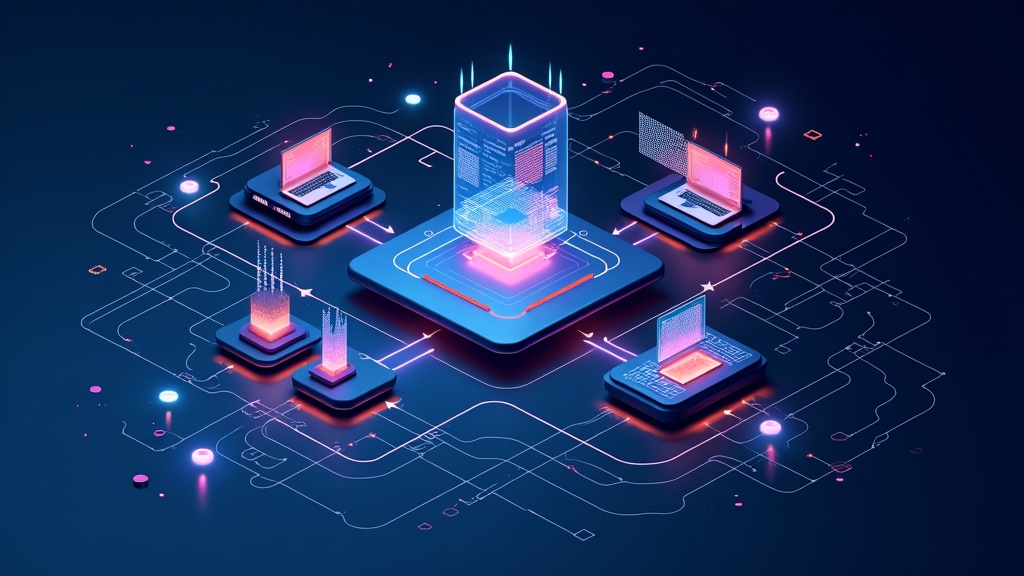
Edge AI represents a pivotal shift in how artificial intelligence is leveraged, positioning it right at the edge of the network rather than relying on cloud-based resources. By integrating AI capabilities directly into edge devices, applications can analyze and process data in real-time—significantly enhancing the responsiveness of mobile applications. This innovative approach eliminates the latency associated with traditional cloud computing, enabling faster decision-making right where the data is generated.
Core Technologies Behind Edge AI
The backbone of Edge AI comprises three critical components: edge devices, real-time data processing, and decentralized computing.
Edge Devices: These are smart gadgets like smartphones, wearables, or IoT devices equipped with AI capabilities, allowing them to operate independently from cloud services.
Real-Time Data Processing: By processing data locally, edge devices can react instantly to changes, significantly improving the speed and efficiency of applications.
Decentralized Computing: Unlike traditional computing, which is dependent on centralized servers, Edge AI operates on a more distributed architecture, empowering devices to handle computations autonomously and collaboratively.
The Impact of Edge AI on Mobile Applications
Real-Time Data Processing
With Edge AI, mobile applications can perform immediate data analysis, which minimizes latency and tremendously improves the overall user experience. For example, in augmented reality (AR) applications, Edge AI allows for seamless interactions by processing the environment data on the device itself, ensuring users see immediate feedback as they interact with their surroundings.
Improved User Experience
A personalized user experience is no longer merely a marketing buzzword. With Edge AI, applications can leverage local data processing to enhance engagement. Imagine a fitness app that analyzes user performance metrics in real-time, offering immediate feedback and personalized recommendations based on your workout habits. This not only keeps users engaged but encourages them to continue using the app long-term.
Key Applications of Edge AI in Mobile Technology
Healthcare Applications
The integration of Edge AI is transforming healthcare through wearable health monitors capable of real-time health monitoring. These devices can track vital signs like heart rate and blood pressure, instantly analyzing the data to alert users or health professionals about potential health risks, ultimately saving lives.
Smart Home Integration
Smart home devices utilizing Edge AI can respond to commands more quickly by conducting localized data analysis. For instance, a smart thermostat can learn a user’s preferences over time, adapting its settings in real-time without needing to communicate with a central hub constantly. This not only enhances user experience but also optimizes energy consumption.
Autonomous Driving
Edge AI plays a crucial role in the development of autonomous vehicles. The rapid processing of sensor data allows cars to make quick decisions based on surrounding conditions, such as changing speed or direction to avoid obstacles. This immediacy is vital for ensuring the safety and efficiency of self-driving technology, which could revolutionize transportation.
Challenges and Limitations of Edge AI
Security Concerns
As with any technology, Edge AI is not without its challenges. One significant concern is security. Edge devices can be more vulnerable to physical tampering and cyber threats since they may not always be protected behind robust firewall systems typical of centralized settings. Vigilance in securing these devices is paramount to ensure user data remains safe (Verizon).
Hardware Limitations
Another pressing concern with Edge AI is the hardware limitations on mobile devices. While these devices offer incredible opportunities for real-time applications, their processing power can be inadequate for more complex AI tasks. This means developers often need to optimize algorithms carefully and balance performance with resource utilization.
Future Trends in Edge AI and Mobile Applications
Emerging Technologies
One of the biggest catalysts for the adoption of Edge AI in mobile applications is the emergence of 5G technology. With its ultra-low latency and higher bandwidth, 5G enables an explosion of IoT devices that can leverage Edge AI, making it easier for real-time applications to thrive.
Predicted Developments
We can expect to see enhanced machine learning models that are specifically optimized for edge computing environments. As developers work with advanced architectures, we may see a rise in applications that utilize federated learning, where models are trained across many devices while keeping user data localized. This represents a significant step forward in mobile user privacy and AI efficiency.
Getting Started with Edge AI in Your Mobile Application
Frameworks and Tools
If you're considering implementing Edge AI into your mobile application, there are numerous frameworks and tools available to you. Popular options include:
TensorFlow Lite: This lightweight version of TensorFlow enables quick deployment of machine learning models on mobile devices, making it ideal for real-time applications.
NVIDIA Jetson: An excellent choice for developers focusing on AI-enabled smart devices, Jetson allows you to build applications that can handle complex tasks efficiently.
Best Practices for Implementation
As you embark on your journey into Edge AI, focus on these key strategies:
Data Security: Make user privacy a rule, not an exception. Encrypt sensitive data and ensure compliance with regulations like GDPR.
User Privacy: Being transparent about how user data is used can foster trust and engagement with your application.
Conclusion
Edge AI is undeniably transforming mobile applications, providing real-time solutions that significantly elevate user experience. As technology continues to evolve, understanding the landscape of Edge AI—and starting to implement it—will position your app for future success.
What specific Edge AI application have you developed or encountered that significantly improved mobile functionality?
💬 Join the conversation — share your take in the comments and tell us what you’d add.