Boosting Supply Chain Efficiency with Automation Techniques
Boost your productivity with supply chain automation techniques. Discover tools that streamline processes and reduce costs today!
Boosting Supply Chain Efficiency with Automation Techniques
Unlocking the full potential of a supply chain is not just about managing logistics; it’s about transforming the very foundation of how those processes operate. Supply chain automation emerges as the key to achieving efficiency, driving down costs, and significantly improving accuracy.
What is Supply Chain Automation?
Definition and Importance
Supply chain automation refers to the use of technology and digital tools to streamline and enhance supply chain processes. By automating routine tasks, businesses can focus on strategic initiatives while minimizing manual intervention. This shift not only improves productivity but also ensures that operations run more smoothly. The importance of automating these processes cannot be understated, as it directly influences a company's competitiveness, customer satisfaction, and overall profitability.
Key Components
To effectively implement supply chain automation, several key components are essential. These include:
Software: Applications that manage various supply chain functions, from inventory management to order processing.
Hardware: Devices such as scanners, RFID tags, and drones that facilitate real-time tracking and monitoring of goods.
Systems: Comprehensive platforms that integrate various aspects of the supply chain, allowing for seamless communication and data sharing.
Benefits of Supply Chain Automation
Cost Reduction
Automation in supply chains can lead to significant cost savings. By reducing manual tasks and errors, businesses can cut down on labor costs and improve their bottom line. For example, a company that automates its inventory management can minimize excess stock and improve cash flow.
Increased Efficiency
One of the most noticeable results of supply chain automation is increased operational efficiency. Automated systems can process orders faster, streamline logistics, and optimize routes for deliveries. This leads to shorter lead times and enhanced customer satisfaction.
Improved Accuracy
Human error is a costly challenge in supply chain management. Automation minimizes the potential for mistakes, ensuring that data handling is much more precise. Improved accuracy in inventory counts and order fulfillment can lead to better decision-making and higher customer trust.
Technologies Driving Supply Chain Automation
AI and Machine Learning
Artificial Intelligence (AI) and Machine Learning (ML) play crucial roles in modern supply chains. These technologies assist in predictive analytics, enabling businesses to forecast demand accurately and make informed decisions about inventory, staffing, and transportation.
Robotics and IoT
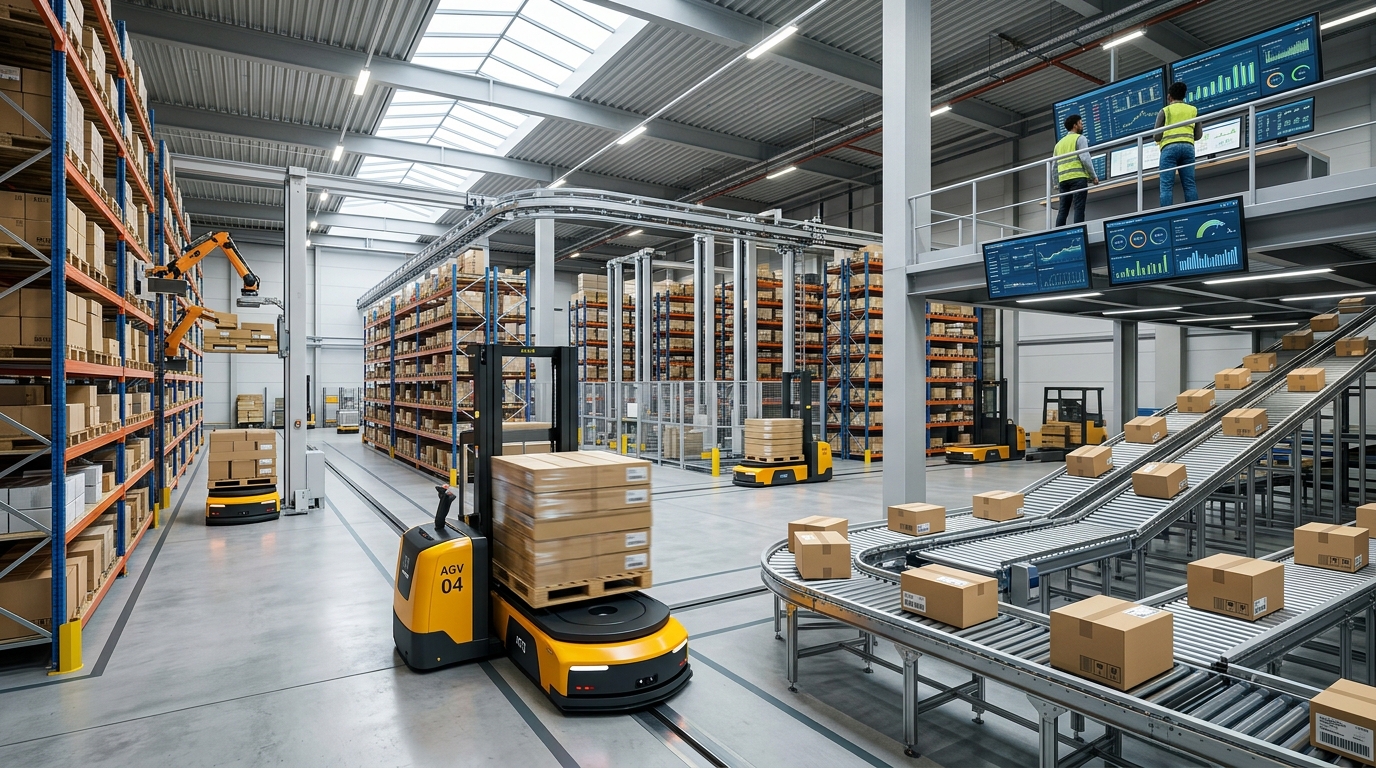
The integration of robotics has transformed warehouse operations. Automated guided vehicles (AGVs) and robotic arms can perform repetitive tasks with speed and precision. Additionally, the Internet of Things (IoT) facilitates real-time tracking of goods, allowing companies to monitor their inventory with remarkable accuracy.
Cloud-based Solutions
Cloud platforms have revolutionized visibility across the supply chain. These solutions allow for seamless access to data, enabling businesses to make real-time adjustments to their operations based on current conditions. The flexibility and accessibility of cloud technology enhance collaboration among supply chain partners.
Real-World Applications and Examples
Case Studies
Organizations across various industries have successfully implemented automation. For instance, a global retailer improved its warehouse throughput by 30% after automating its replenishment processes. Such case studies underscore the transformative power of automation in driving efficiency.
Best Practices
When considering automation, companies should follow best practices such as starting small, defining clear objectives, and utilizing employee feedback. Engaging teams early in the transition can also foster a culture of innovation that encourages the adoption of new technologies.
Challenges of Implementing Automation
Common Obstacles
Despite the numerous benefits, many businesses face challenges in automating their supply chains. High initial costs, resistance to change, and integration issues with existing systems are common hurdles. Addressing these obstacles requires a strategic approach that emphasizes the long-term advantages of automation.
Addressing Workforce Concerns
A prevalent concern regarding automation is the fear of job displacement. To mitigate this, companies can focus on reskilling and upskilling their workforce, ensuring that employees can transition into new roles that complement automated systems. Additionally, transparency about how automation enhances their jobs rather than replaces them can alleviate apprehensions.
The Future of Supply Chain Automation
Emerging Trends
As technology evolves, new trends in supply chain automation are likely to emerge. Increased integration of AI, more sophisticated robotics, and even blockchain for enhanced security and transparency are on the horizon. Staying ahead of these trends can provide a competitive edge.
Impact of Digital Integration
Digital integration will play a critical role in the future of supply chains. As businesses adopt a more interconnected approach to operations, the flow of information will become more efficient, leading to smarter logistics decisions. This digital backbone will be vital for enhancing responsiveness and agility.
Evaluating ROI on Automation Investments
Cost Analysis Methods
Measuring the return on investment (ROI) for automation initiatives requires robust analysis methods. Businesses can determine ROI by assessing cost savings against the initial investment, considering both tangible and intangible benefits that automation brings.
Long-term Gains
Though upfront costs can be daunting, the long-term gains from supply chain automation often outweigh initial expenditures. Many companies see significant improvements in efficiency and profitability, reinforcing the notion that automation is an integral part of modern supply chain strategy.
Conclusion
The journey toward supply chain efficiency through automation is not just a trend; it's a necessary evolution for businesses aiming to thrive in today’s market. With the right technologies and approaches, companies can harness automation to reduce costs, improve accuracy, and enhance overall operational efficiency.
Ready to transform your supply chain with automation? Contact us today to learn how our solutions can enhance your efficiency.