
Best Practices for Automating E-commerce Fulfillment: A Comprehensive Guide
Discover top strategies for optimizing e-commerce fulfillment through automation. Boost efficiency and enhance customer satisfaction today!
Understanding E-commerce Fulfillment Automation
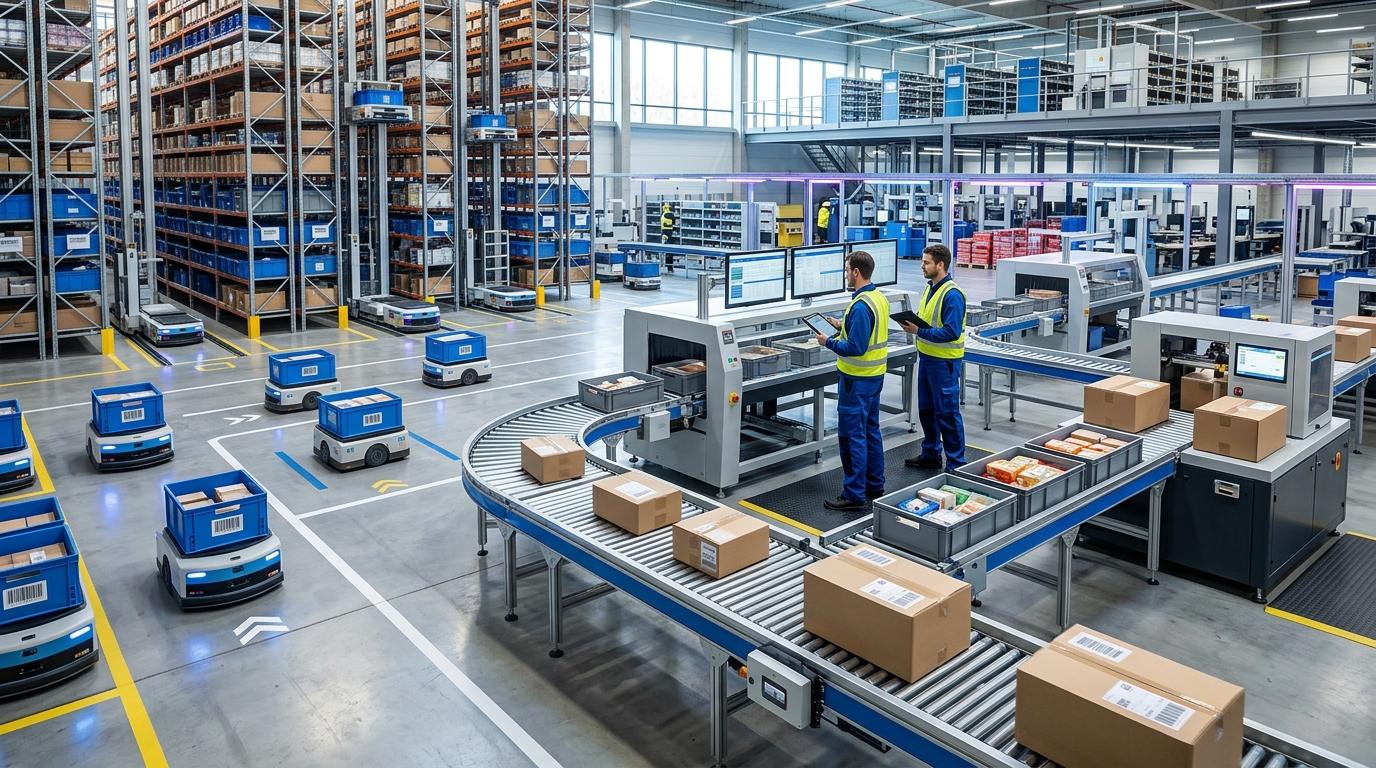
E-commerce fulfillment automation is no longer a luxury; it's a necessity that can set your online retail business apart. With the right automation strategies, you can streamline operations and enhance customer satisfaction at every touchpoint.
What is E-commerce Fulfillment Automation?
E-commerce fulfillment encompasses a range of activities from inventory management to shipping. Fulfillment automation refers to the use of technology to streamline these operations, reducing manual labor and enhancing efficiency. In online retail, where speed and accuracy are paramount, automating your fulfillment processes can significantly impact your bottom line.
Benefits of Automation
The benefits of automating e-commerce fulfillment are manifold. For starters, it improves operational efficiency by speeding up repetitive tasks, which allows your team to focus on more strategic initiatives. Moreover, automation reduces human error—one misplaced item can spiral into large customer service issues. Cost savings are another significant advantage; automation can optimize labor costs and minimize overhead, leading to increased profitability long-term.
Key Components of E-commerce Fulfillment Automation
A robust e-commerce fulfillment process is anchored by several key components, each playing a vital role in overall efficiency and customer satisfaction.
Inventory Management
Automated inventory systems act as the backbone of your fulfillment operations. These systems track stock levels in real-time, ensuring you know what's available and what needs to be reordered. This leads to better decision-making and allows your business to meet customer demands without excess inventory. Automated systems can also trigger alerts for low stock, helping to avoid stockouts or overstock scenarios.
Order Processing
The process of transforming a purchase into a shipment can often be cumbersome. However, by adopting automation in order processing, you can significantly minimize the time spent on manual entry. Automated systems can manage everything from order capture to packaging and labeling, ensuring that orders are fulfilled accurately and quickly without overwhelming your staff.
Shipping Logistics
Automating shipping logistics is essential for faster delivery. By integrating shipping software into your fulfillment system, you can streamline tasks like label printing, tracking, and routing. Advanced shipping automation can even suggest the most economical delivery methods based on package size and destination, helping you cut shipping costs while maintaining customer satisfaction.
Best Practices for Implementing Automation
Implementing e-commerce fulfillment automation isn't just about choosing the right software; it involves a well-thought-out strategy.
Choosing the Right Tools
Selecting the right automation tools requires careful consideration. Look for software that aligns with your business’s size, needs, and industry-specific requirements. This may include features like user-friendly interfaces, robust customer support, and customization options. Your chosen tools must integrate seamlessly with your existing systems to maximize their effectiveness.
Integrating Systems
Ensuring smooth transactions across all platforms—CRM, ERP, and e-commerce—is crucial. Automation systems should not operate in isolation; proper integration means that data flows easily between platforms. This can enhance customer experiences by ensuring order accuracy and payment security, as well as providing valuable insights into customer behavior.
Monitoring Performance
Once your automated system is in place, ongoing monitoring is critical. Use analytics tools to track key performance indicators (KPIs) such as order processing time, shipping accuracy, and inventory turnover. Regular evaluation will help identify areas for improvement and refine processes over time.
Challenges in E-commerce Fulfillment Automation
While the advantages of automation are alluring, it's essential to be aware of potential challenges.
Common Pitfalls
One of the most significant pitfalls is the lack of clear goals. Companies often jump into automating without a solid understanding of their objectives, resulting in misalignment and suboptimal use of resources. Other common mistakes include insufficient training and poor system integration, which can negate the benefits of automation.
Managing Change
Implementing automation involves significant organizational change. Employees may resist new systems, fearing job loss or increased complexity. Effective change management strategies, including training and clear communication, can help mitigate this resistance. Encouraging staff input during the transition can also foster a culture of collaboration and adaptability.
Tech Support and Maintenance
Ongoing tech support is a necessity for automated systems. As with any technology, regular maintenance is critical to ensure efficiency and effectiveness. Establishing a relationship with a reliable support team can alleviate downtime and keep your systems running smoothly.
Future Trends in E-commerce Fulfillment Automation
As technology continues to evolve, staying informed about future trends is vital for remaining competitive.
AI and Machine Learning
Artificial intelligence and machine learning stand poised to revolutionize fulfillment. These technologies can analyze data patterns to forecast demand, optimize stock levels, and even personalize customer experiences. By implementing AI-driven solutions, you can anticipate marketplace shifts and respond proactively—a major competitive advantage.
Robotic Process Automation
Robotic process automation (RPA) is not just a trend; it’s becoming an industry standard in warehouse management. From sorting to packing, robots can enhance speed and accuracy while reducing labor costs. As robotics technology continues to advance, the efficiency with which orders can be filled will improve exponentially.
Sustainability in Fulfillment
With growing environmental concerns, businesses are increasingly prioritizing sustainable practices. Automating fulfillment doesn't have to come at the expense of sustainability; in fact, it can enhance eco-friendly practices. For example, automated logistics solutions can optimize route planning to minimize carbon footprints and incorporate sustainable packaging solutions into your supply chain.
Conclusion: Streamlining Your E-commerce Fulfillment
E-commerce fulfillment automation is not merely a trend; it's a necessity for any retail operation aiming for efficiency and cost-effectiveness. By implementing the best practices outlined in this guide, you can streamline your processes and enhance customer satisfaction.
The landscape of e-commerce is continuously evolving, and keeping pace with automation technologies is key to maintaining your competitive edge. Don’t just wait for change to happen; be actively engaged in learning about new technologies and exploring how they can improve your fulfillment processes.
Consider scheduling a consultation to explore how automation can transform your e-commerce fulfillment process. Your customers deserve the best, and with the right strategies, your business can deliver just that.