AI Security: Best Practices for Developers in a Dynamic Landscape
Enhance your development process with crucial AI security best practices. Learn how to protect your projects today!
Understanding AI Security Challenges
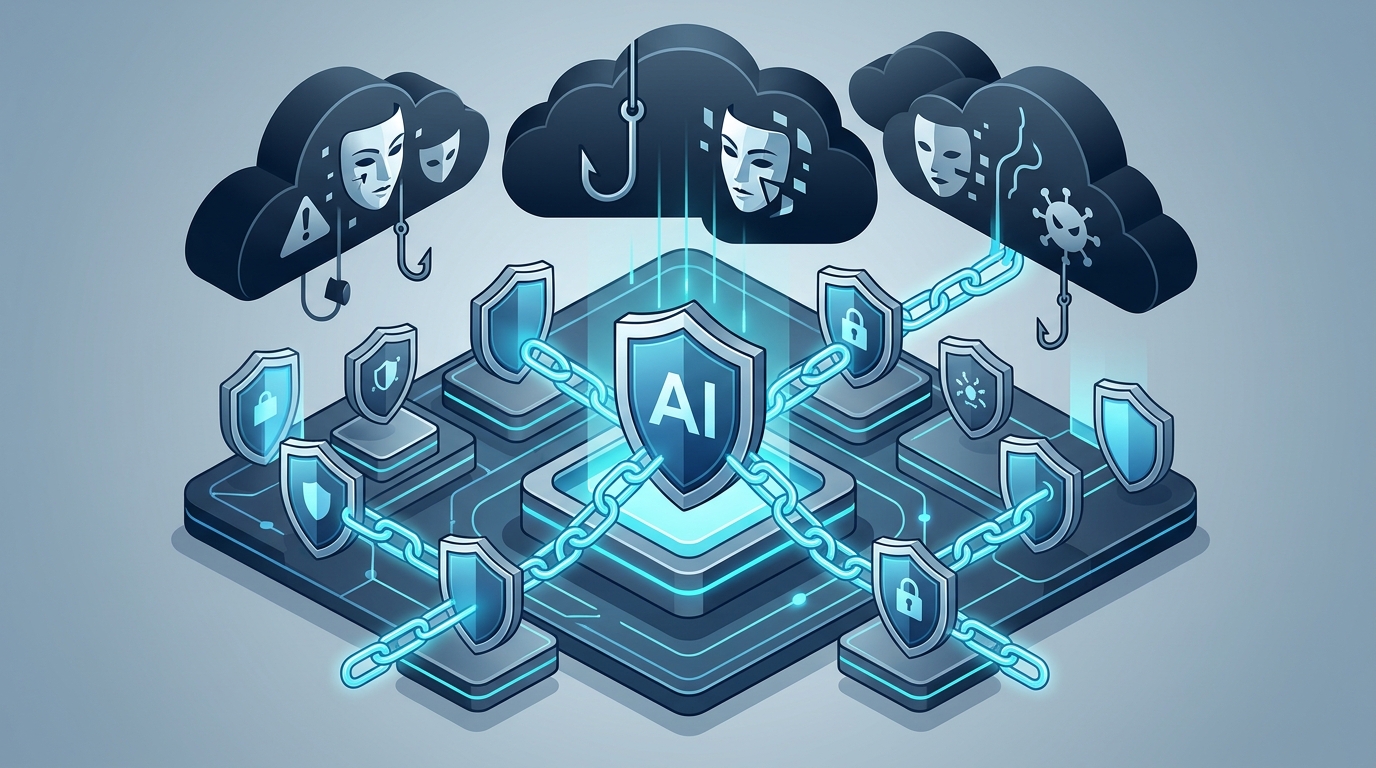
As developers harness the power of AI, they're often navigating a landscape riddled with security challenges that could undermine their efforts. It's crucial to understand the vulnerabilities that come alongside innovative AI solutions—specifically how generative AI is being weaponized in modern cyberattacks.
Emerging Threats from AI
AI technologies are increasingly being integrated into cybercriminal strategies. For example, generative AI tools can produce perfectly crafted phishing emails that are surprisingly convincing. Reports show a rise in AI-powered phishing scams that trick individuals into revealing sensitive data without raising suspicion. Similarly, deepfake technology is being misused to impersonate individuals or manipulate narratives, further complicating the security landscape.
Data Privacy Concerns
The collection and storage of large datasets also introduce significant data privacy concerns. Many AI systems rely on sensitive personal information to function effectively. Breaches not only have legal implications but can also erode consumer trust—a precious commodity in any business sector. Be mindful: poor data governance can serve as a gateway for security breaches, making it imperative that developers prioritize privacy from the onset.
AI as a Double-Edged Sword
While AI is a powerful ally in combating cyber threats, it is paradoxically a double-edged sword. Although AI can bolster security systems by identifying vulnerabilities more swiftly, it can also introduce new weaknesses. For example, AI models can become targets for adversarial attacks designed to mislead them. Therefore, developers need to recognize AI's potential to both fortify and compromise security protocols.
Best Practices for AI Security in Development
Navigating the challenges of AI security requires robust best practices that developers should integrate into their workflow.
Protecting Sensitive Data
One of the primary focuses for developers should be the safeguarding of sensitive training and inference data utilized in AI. Implementing encryption techniques like AES (Advanced Encryption Standard) ensures that even if data is accessed, it remains unreadable. Additionally, anonymizing datasets by removing personally identifiable information (PII) can further mitigate privacy risks.
Implementing Strong Security Controls
Employing specific security controls is vital for maintaining a secure AI development environment. Regular vulnerability assessments using tools like OWASP ZAP can help identify weaknesses. Moreover, access controls should limit who can interact with data, and logging mechanisms must track changes for accountability.
Here’s a basic checklist for implementing strong security measures:
Use Secure Coding Practices: Validate all inputs and outputs to prevent injection attacks.
Apply the Principle of Least Privilege (PoLP): Only give users access to the data and controls necessary for their roles.
Continuous Monitoring: Use services like AWS CloudTrail to keep an eye on platform activities.
Regulatory Compliance and AI
Developers must align their security controls with regulatory frameworks such as GDPR or HIPAA. Compliance isn't optional; it serves as a foundational guideline for ethical data handling and privacy. Regular audits can ensure adherence to these standards, providing both a legacy of safety and a proactive stance against potential violations.
AI in Threat Detection and Prevention
AI can serve as a formidable tool in threat detection and prevention, transforming how organizations approach cybersecurity.
Leveraging AI for Improved Security
Incorporating AI technologies into security protocols can dramatically enhance threat detection capabilities. Machine learning algorithms can analyze vast quantities of data for anomalies that indicate malicious activities. For instance, network behavior analytics can flag unusual access patterns, thereby identifying threats before they escalate.
Adversarial Attacks: A Growing Concern
However, these advancements aren't without challenges. Developers also face the risk of adversarial attacks, where malevolent actors manipulate AI models through carefully crafted input. Techniques such as adversarial training—where models are trained on both legitimate data and intentionally distorted data—can help mitigate these risks. Integrating robust testing frameworks into the development lifecycle can also uncover vulnerabilities before they can be exploited.
Data Management and Retention Policies for AI Systems
A structured approach to data management is essential for maintaining the integrity and security of AI systems.
Importance of Data Retention Policies
Understanding the lifecycle of data is foundational in AI systems. Data retention policies determine how long data should be stored, which not only facilitates compliance with regulations but also mitigates risks of data breaches or unauthorized access.
Best Practices for Data Management
To effectively manage data throughout its lifecycle, consider these best practices:
Define Retention Periods: Clearly outline how long different types of data will be stored based on necessity and legal guidelines.
Regularly Review Data: Conduct audits to determine data relevance and secure disposal of unneeded information.
Automate Compliance Tasks: Use tools that automate data classification and retention management to reduce human error.
Real-World Examples and Case Studies
Examining real-world applications can provide valuable insights into effective AI security strategies.
Successful AI Security Implementations
For instance, in the financial sector, companies are increasingly employing AI for fraud detection. By analyzing transaction patterns in real time, they can effectively flag irregularities and intercept threats before they materialize. These proactive measures demonstrate the efficacy of blending AI and security protocols.
Lessons from Security Failures
Conversely, notable failures can serve as cautionary tales. One significant case involved a major social media platform that inadequately secured user data, leading to a high-profile breach. The aftermath underscored the importance of comprehensive security measures and adherence to policies—highlighting that neglecting these areas can result in disastrous outcomes.
Future Trends in AI Security
As we peer into the future, the evolution of AI security is bound to unfold dramatically.
Predictions for the Next Decade
Experts predict an increase in AI-driven threats, including sophisticated phishing scams that utilize natural language processing to craft more convincing messages. Consequently, developers need to stay vigilant and informed about emerging threats.
Preparing for Emerging Threats
Staying ahead involves continuous learning and adaptation. Developers should actively engage in cybersecurity communities, attend conferences, and invest in training to enhance their understanding of evolving challenges. Incorporating threat intelligence feeds into your security systems will keep you one step ahead of potential risks.
The complex web of AI security requires ongoing vigilance and innovative strategies from developers. What challenges have you faced in ensuring AI security in your projects, and how did you overcome them?
💬 Join the conversation — share your take in the comments and tell us what you’d add.